
Things to do in Dublin in Summer

Published: July 18, 2024
Three kids with ice cream cones.

Ok ok, so the Caribbean it ain’t, but summer in Dublin is nevertheless a pleasant season defined by warm, (mostly) dry days, lively festivals and events aplenty, and evenings balmy enough to dine al fresco. Unsurprising, then, that the months of June to August are among Dublin’s most popular. Read on for our guide to visiting Dublin in summer, including Bloomsday and Dublin Pride celebrations, what to expect from the weather and, of course, the best places to sample the black stuff. Our guide includes:

  • The Guinness Storehouse
  • St Stephen’s Green
  • Phoenix Park
  • Dublin bike tours
  • Temple Bar
  • Howth Maritime & Seafood Festival
  • The Wicklow Mountains
  • Bloomsday
  • Dublin Pride

Visiting Dublin in Summer
Dublin’s summers are pleasantly warm affairs with July – the hottest month of the year – having been known to hit (gasp!) the dizzy heights of the high 60s. This is Northern Europe after all, where ‘pleasantly warm’ is a relative term. So if you’ve been picturing sizzling Mediterranean beaches for your summer vacation, move along please, you’ve come to the wrong place.

Like the weather here, summer tourism in Dublin is generally mild... with the occasional downpour. In other words, even though May to September is peak season in Ireland, the attraction queues are rarely overwhelming and, though hotel prices have – to be sure – increased with demand, there’s still plenty of affordable accommodation to be had, especially if you’re willing to stay a little outside of the center. However, there will still be occasions when tempers fray due to waiting times at, say, the popular Guinness Storehouse or Book of Kells, just as there will be times you’ll be glad you packed an umbrella and waterproof walking boots.

As for what else you should pack for your summer adventure in Dublin, layers are your friend. While you might (just about) get away with short sleeves and bare legs on hotter days, you’ll be thankful for that cardigan and pair of comfy jeans after sunset.

Things to do in Dublin in Summer
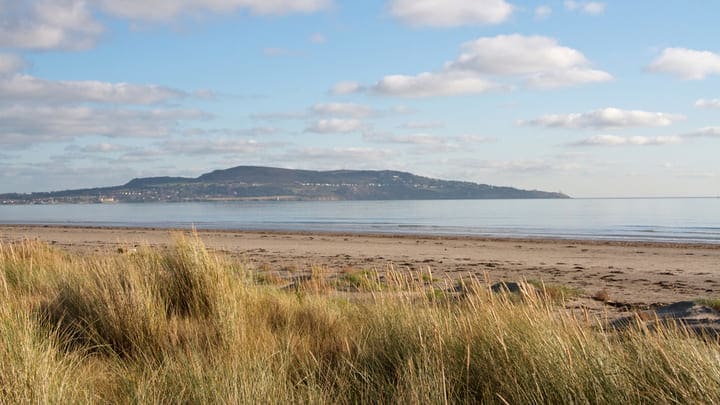
Outdoor types rejoice! For Dublin is an adventurer’s paradise, with stacks of al fresco activities to get involved in both inside and outside the city. First up on our hotlist of recommendations is – and bear with us on this one – Dublin Bay’s beaches! Ok sure, it takes a brave soul to take the plunge and dive into the icy Irish Sea without first donning a wetsuit, but the sweeping sandy beaches along this stretch of coastline are perfect for picnics, scenic strolls and, well, just chilling on the sand with a good book and a glass of vino. Hit up Dollymount Strand (pictured) or Sandymount, or head a little further afield for the many #humblebrag Insta opportunities presented by beautiful beaches at Portmarnock, Killiney and Howth.

Sticking with the outdoor theme, summer is as good a time as any to rent a bike and explore Dublin at your own pace. Pedal your way to big-ticket attractions including medieval Christ Church Cathedral, with its creepy crypt and resident (mummified) cat and rat. Wobble riverside to the historic Kilmainham Gaol Museum, famed for its role in the Easter Rising executions and Irish War of Independence, and essential to any meaningful understanding of Irish history and heritage. Don’t forget to stop off at the Guinness Storehouse for some much-needed refreshment along the way! Many of these attractions and tours are included with a pass from Go City, meaning you can save money if you plan to visit a few of them.
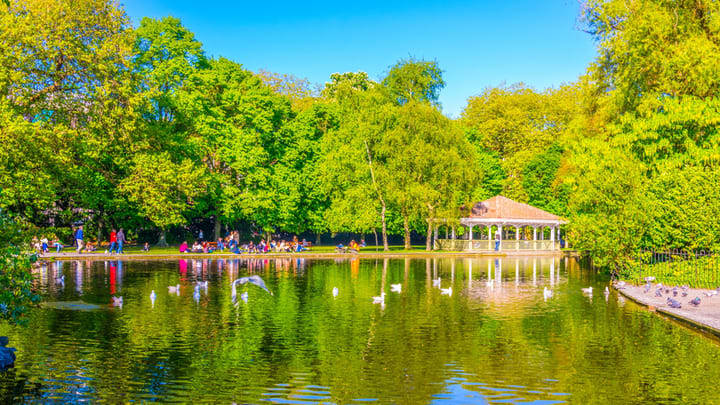
Dublin’s lush public parks really come into their own in summer. Stroll the seemingly endless pathways of the sprawling Phoenix Park, a former royal hunting ground that’s home to herds of fallow deer, and is almost as big as Dublin itself! And picnic on the lawns of St Stephen’s Green, a verdant Victorian oasis at the end of busy Grafton Street, where a bust of James Joyce, abstract Henry Moore sculpture of W.B. Yeats and imposing statue of brewing magnate Arthur Guinness provide points of interest among the greenery, gardens and duckponds.

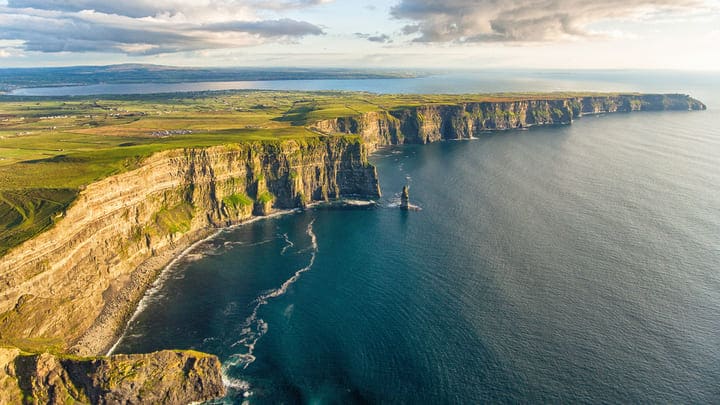
Day trips to the dramatic Cliffs of Moher and charming seaside village of Howth present further opportunities to experience Ireland’s wild, untamed beauty. Ramblers and romantics alike will also get a real kick out of the Wicklow Mountains south of the city, where long walks in otherworldly landscapes dotted with rivers, bogs and neolithic tombs will have you coming over all Bill Bryson.

What’s on: Dublin Summer Events
There’s plenty going on during summer in Dublin. Dublin Pride has been a June fixture in the city for 40 years, promising a rollicking roster of events celebrating LGBTQ+ culture, including queer-history walking tours, hard-hitting theatrical drama, world-class drag acts, lively club nights, live music and more. The festival’s focal point is the colorful Pride Parade, which sees O’Connell Street transformed into party central, as flamboyant floats and extravagantly costumed revelers wobble and weave their way down to Pride Village in Merrion Square.

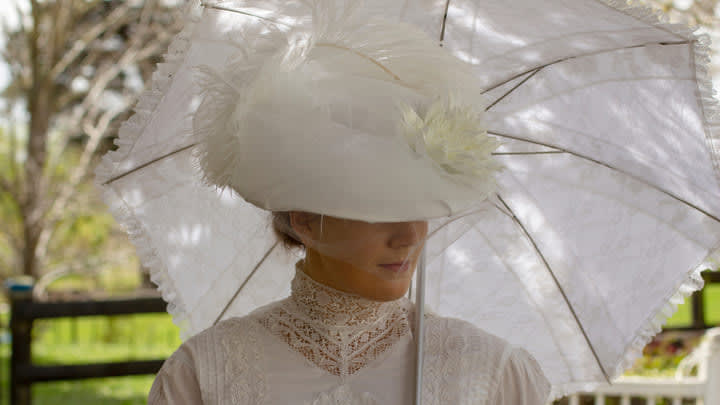
Bookworms will find much to enjoy on Bloomsday, which any James Joyce fan worth their salt will tell you falls on 16th June, as depicted in his novel Ulysses. In fact, Bloomsday runs for several days around the 16th, and features performances, readings and other events, many taking place at the very locations and establishments referenced in the book. Get into the spirit by dressing the part: think Edwardian garb including shawls, frilly blouses and fancy hats for the ladies, and Joyce-style britches, braces and straw hats for the lads.
Similar in name only, Bloom is Ireland’s largest gardening festival and promises five days of green-fingered fun every June. Expect exquisitely presented gardens spanning some 10 acres of Phoenix Park, with a side order of celeb-chef cookery demonstrations and a difficult-to-resist artisan food market.

In August, the Dublin Horse Show canters into town, bringing racing, showjumping and dressage events galore to the eager (and well-dressed) masses, as well as plenty of family fun including kids’ entertainment and pony rides.

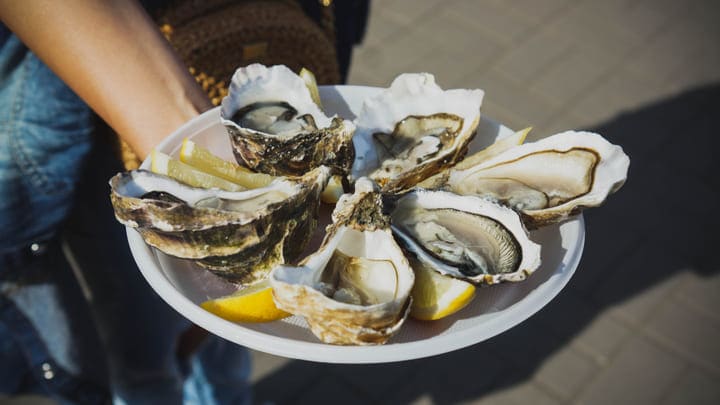
Last but by no means least, September’s Howth Maritime & Seafood Festival caps off the Dublin summer schedule with a welcome return to the beach. We’re talking two days of family fun in one of Ireland’s prettiest seaside towns. As the name suggests, you can expect some of the finest seafood this fair isle has to offer, as well as funfairs, treasure hunts, circus acts, Irish dancing, boat rides and stacks more.

Save on things to do in Dublin

Save on admission to Dublin attractions with Go City. Check out @GoCity on Instagram for the latest top tips and attraction info.

Stuart Bak
Stuart Bak
Freelance travel writer

Stu caught the travel bug at an early age, thanks to childhood road trips to the south of France squeezed into the back of a Ford Cortina with two brothers and a Sony Walkman. Now a freelance writer living on the Norfolk coast, Stu has produced content for travel giants including Frommer’s, British Airways, Expedia, Mr & Mrs Smith, and now Go City. His most memorable travel experiences include drinking kava with the locals in Fiji and pranging a taxi driver’s car in the Honduran capital.

Continue reading

Blog

Famous Irish Historical Figures

Meet the famous Irish historical figures who shaped a nation Ireland is renowned for many things - its rich culture, global citizens and so on - and a lot of that comes down to the Irish people. Meet some of Ireland's most famous Irish historical figures and learn more about their stories at EPIC: The Irish Emigration Museum below. James Joyce Ireland has birthed some of the world's most adventurous and accomplished literary figures and James Joyce definitely fits the bill. Best known for A Portrait of the Artist as a Young Man and Ulysses, his modernist works were truly experimental and while controversial at the time, his writing (spanning novels, short stories, poetry and more) is now held up as some of Ireland's best. Just don't ask us to explain it to you. Oscar Wilde The original dandy, Oscar Wilde was one of the world's first rockstar writers with a colourful personality and even more colourful writing (but only just). He didn't hang around in Ireland for long, drawn to vibrancy of cities like London and Paris, and his works like The Importance of Being Earnest and The Picture of Dorian Gray skyrocketed him to fame. While his life had its incredible ups, it also had pretty harrowing downs and he was was outed as a homosexual after a particularly harrowing and public trial, for which he was arrested and changed the course of his life and writing forever. John F. Kennedy John F. Kennedy, or J.F.K. as he's perhaps better known, was the first Irish-Catholic man to become the American president. Back in the 1900s, his family did as many other Irish families did and migrated to the US from western Ireland to escape the famine and made Boston their new home. He was president during one of the tensest periods of modern American history - the Cold War - and was publicly assassinated during a procession in Dallas, to the horror of people all over the world. Constance Markievicz An unlikely revolutionary hero in the 1916 uprising, Constance Markievicz was born in London and raised on a wealthy Anglo-Irish estate in Sligo. However, she soon identified with Irish nationalism and played a major role in the Irish Citizen Army. She fought at St. Stephen's Green in 1916 and fought on the Republican side in the Irish Civil War, eventually becoming the Minister for Labour in the first Irish government, making her only the second woman in Europe to have a government ministerial role. Ernest Shackleton Ernest Shackleton, a resident of Kildare, left Ireland behind for even colder climates in the early 20th century to launch a highly ambitious (and dangerous) Antarctic expedition.Over the course of his life, he travelled there four times in a number of unfortunate journeys in which he grew gravely ill, was shipwrecked and wrote long detailed logs of his journey. While he wasn't the first to make it to the South Pole (a Norwegian explorer just edged him out of that glory), his dramatic tales of survival against all odds enamoured public imagination. George Bernard Shaw A Nobel Prize winning playwright born in Dublin on 26 July 1856, George Bernard Shaw was an Irish/British playwright and political activist whose influence on theatre, culture and politics extended through his lifetime and beyond. Best known for his play Pygmalion, which was famously adapated for stage and screen with actresses Julie Andrews and Audrey Hepburn bringing the Eliza Doolittle character to life, Bernard Shaw wrote more than 60 plays in his lifetime. He has been rated a second only to William Shakespeare among many English-language dramatists given his extensive influence on subsequent generations of playwrights. St Patrick Whatever your religious affiliations, there's no denying that St Patrick is probably the most iconic figure in Irish history. While he was technically Welsh, he was enslaved in Ireland and later became a Christian missionary that changed the course of Irish culture forever. Numerous myths surround him including tales of how he chased all the snakes out of Ireland and baptised many at a well where St Patrick's Cathedral in Dublin now stands. And of course, he's the patron saint of Ireland and celebratory figure behind the most Irish of holidays - St Paddy's Day. Bram Stoker Best known for his 1897 Gothic novel Dracula, Bram Stoker was born in Dublin on 8 November 1847. His popular novel paved the way for gothic lore and horror in popular culture and in his lifetime he wrote 12 novels as well as collections of short stories. A freelance contributor to The Daily Telegraph in his earlier career, he was also known as the business manager to the actor Henry Irving of the Lyceum Theatre in London. A lifelong lover of art, he founded the Dublin Sketching Club in 1874 and became friends with fellow Irish writers Oscar Wilde and William Butler Yeats.
Go City Expert
Person holding Irish flag
Blog

5 days in Dublin

Dublin in Five Days: A Journey Through Ireland's Capital By Mia Russell Ireland's vibrant and historic capital beckons with a rich tapestry of culture, history, and unforgettable experiences. Five days in this captivating city may sound like a brief escape, but it's the perfect amount of time to savor the essence of Dublin, immerse yourself in its storied past, and revel in its vibrant present. Why Five Days in Dublin? Dublin offers an all-encompassing journey through its diverse neighborhoods, cultural treasures, and lively traditions. Whether you're a history buff, a literature enthusiast, a foodie, or simply seeking the warmth of Irish hospitality, this city has something special to offer. Five days will be just enough to take it all in! What to See and Do During your stay, you'll explore Dublin's historic core, wander through its lush parks, and sample its delectable cuisine. You'll uncover the secrets of the Book of Kells, relish a pint of Guinness at its birthplace, and stroll along charming streets steeped in literary history. Dublin's attractions are as varied as they are enthralling, promising an unforgettable journey. What to Expect Anticipate enchanting tales of Irish folklore, cozy pubs resonating with traditional music, and a city that effortlessly bridges its storied past with its vibrant present. Expect to be greeted with warmth and enthusiasm by the locals, who are proud to share their culture and heritage. Day 1: Exploring Dublin's Historic Core Morning Begin your Dublin adventure with a hearty Irish breakfast at a local café. Afterward, head to Trinity College to visit the iconic Book of Kells, a beautifully illuminated manuscript dating back to the 9th century. Step inside the historic Library at Trinity College to admire this incredible artwork, renowned for its intricate illustrations and vibrant colors. As you turn the pages, you'll be transported back in time to a world where craftsmanship and creativity knew no bounds. It's a must-visit for anyone seeking to delve into the rich cultural heritage of Dublin and Ireland as a whole! Pop across the road to the National Gallery of Ireland to admire its exquisite collection that spans centuries and continents. As you explore the gallery's hallowed halls, you'll encounter works by renowned artists such as Vermeer, Caravaggio, and Monet, alongside captivating exhibitions showcasing Ireland's vibrant artistic heritage. Use your pass to receive complimentary admission to the museum's temporary collections and a free guidebook. If you have time, another great museum to explore nearby is the Little Museum of Dublin. It may be small in size, but it packs a big punch when showcasing Dublin's history and spirit. Located in a charming Georgian townhouse on St. Stephen's Green, this museum offers a delightful glimpse into the city's past. Its eclectic collection features an array of artifacts, photographs, and memorabilia that tell the story of Dublin's evolution throughout the 20th century. The museum's intimate setting and engaging exhibits make it a must-visit for those seeking a deeper understanding of Dublin's character and culture. Remember to use your pass to enjoy free entry to the museum. Lunch: enjoy a leisurely lunch at a traditional Irish pub. Savor classics like fish and chips or a hearty stew and pair with a pint of Guinness. Afternoon Stroll along Grafton Street, Dublin's premier shopping street. Admire the street performers and browse the boutiques. Nestled in the heart of Dublin, Grafton Street has a delightful mix of high-end boutiques, department stores, street performers, and charming cafes. It's the perfect place to immerse yourself in Dublin's vibrant atmosphere. Whether searching for the latest fashion trends, hunting for unique Irish gifts, or simply strolling along, Grafton Street offers a delightful urban experience that captures the essence of this dynamic city. Don't forget to pause and enjoy the talented buskers adding a musical soundtrack to your shopping adventure. Stop by St. Stephen's Green for a peaceful walk in the park. Evening Dive into Dublin's literary history with a visit to the Museum of Literature Ireland (MoLI). The museum is a literary haven that celebrates the city's illustrious literary heritage. Housed in the historic UCD Newman House, it's a place where the words of James Joyce, W.B. Yeats, and other literary giants come to life. As you wander through its elegant Georgian rooms, you'll discover an enchanting world of books, manuscripts, and interactive displays that delve into the literary genius of Ireland's most celebrated writers. MoLI is not just a museum; it's a vibrant testament to the enduring power of storytelling and a must-visit for anyone with a passion for literature. Use your pass to gain free entry to the museum. For dinner, dine at one of Temple Bar's charming restaurants and experience the city's vibrant nightlife. Day 2: Dublin's Cultural Treasures Morning Start your day at the National Museum of Ireland – Archaeology, where you can explore Ireland's rich history through fascinating artifacts. The National Museum of Ireland - Archaeology in Dublin is a treasure trove of Ireland's ancient history and archaeological wonders. Nestled on Kildare Street, this captivating museum houses an impressive collection of artifacts that span millennia. From the meticulously crafted Celtic artifacts to the hauntingly beautiful bog bodies, you'll embark on a journey through time as you explore Ireland's rich past. Whether you're fascinated by Viking-age relics, ancient gold hoards, or the enigmatic Ardagh Chalice, this museum is a captivating window into Ireland's archaeology and heritage. Receive a free guidebook with your pass! Lunch: head to the nearby Queen of Tarts for a delicious lunch and sweet treats. Afternoon Spend the afternoon at Dublin Castle. Located in the heart of the city, Dublin Castle is a historic gem that encapsulates centuries of Irish history and culture. Originally constructed as a medieval fortress, it evolved into a symbol of British rule in Ireland and later transformed into a government complex. Today, its elegant architecture and beautiful gardens make it a captivating destination for visitors. Explore the State Apartments with their opulent interiors, witness the iconic Record Tower, and stroll through the tranquil Dubh Linn Gardens. Dublin Castle is a living testament to Ireland's complex past and enduring spirit, inviting you to delve into its rich tapestry of heritage. Be sure to use your pass for free admission to the castle. Explore the Chester Beatty Library and its exceptional collection of books and manuscripts from around the world. Nestled in the heart of Dublin Castle, the library is a hidden gem with a world-class collection of art and manuscripts from around the globe. Established by Sir Alfred Chester Beatty in the early 20th century, this unique library and museum offer a remarkable journey through the realms of Eastern and Western culture. As you explore its galleries, you'll encounter exquisitely illuminated manuscripts, ancient texts, and beautiful artworks. Whether you're an art lover or simply curious, the Chester Beatty Library promises a captivating experience that celebrates the beauty of human creativity and heritage. Evening Enjoy dinner at a riverside restaurant in the Temple Bar district, then catch a traditional Irish music session at a nearby pub. Day 3: Dublin's Southside Charms Morning Visit the iconic Guinness Storehouse and learn the art of brewing. Located in the heart of Dublin at the St. James's Gate Brewery, the Guinness Storehouse is a shrine to Ireland's most iconic export – Guinness beer. Housed in a historic building that once functioned as a fermentation plant, this immersive attraction takes you on a journey through the brewing process, the history of Guinness, and its impact on Irish culture. As you ascend through seven floors shaped like a giant pint glass, you'll learn about the ingredients, craftsmanship, and the art of pouring the perfect pint of Guinness. The tour culminates at the Gravity Bar, offering panoramic views of Dublin, where you can savor a complimentary pint while drinking in the cityscape. Use your pass for free entry to the museum and discounts at the 1837 Bar & Brasserie. Lunch: dine at the on-site Guinness restaurant or head to a nearby eatery. Afternoon Make your way to the outskirts of Dublin to explore the historic Kilmainham Gaol, a former prison with a pivotal role in Irish history. A poignant reminder of Ireland's turbulent past and struggle for independence, this former prison, with its somber stone walls, has witnessed key moments in Irish history and housed many political prisoners. Today, it offers a profound insight into Ireland's fight for freedom. As you explore its corridors and cells, you'll hear the stories of the brave men and women who fought for independence, making Kilmainham Gaol a powerful and emotionally charged destination for history enthusiasts and those seeking to understand Ireland's past. Be sure to book your tour in advance. Evening Enjoy a leisurely walk along the Grand Canal, followed by a sumptuous dinner in one of the fine dining restaurants near Baggot Street. Day 4: A Day by the Sea Morning Use your pass to take a Big Bus Dublin Coastal Tour to the coastal town of Howth. Enjoy an hour-long guided tour of the charming village, stroll along the picturesque harbor, and enjoy a seafood breakfast at one of the lovely cafés. Lunch: hike or take a cliff walk to the Howth Summit, where you'll be rewarded with breathtaking views of Dublin Bay. Afternoon Explore the historic Howth Castle and its beautiful gardens. This historic castle, dating back over 800 years, is still a private residence today, but its enchanting grounds and gardens are open to the public. Stroll through the beautifully landscaped gardens, enjoy scenic views of Dublin Bay, and explore the charming rhododendron gardens. Howth Castle offers a delightful escape from the city, inviting you to immerse yourself in Irish history and savor the tranquility of its lush surroundings. Evening Return to Dublin and dine at a seafood restaurant along the River Liffey. Day 5: Dublin's Northside Wonders Morning Begin your day at EPIC The Irish Emigration Museum, celebrating Ireland's diaspora and global influence. You’ll find the museum in Dublin's vibrant Docklands that offers a one-of-a-kind journey that unfolds the remarkable stories of the Irish diaspora. This interactive museum celebrates the impact and achievements of Irish emigrants around the world. As you explore its engaging exhibitions, you'll discover the Irish people's struggles, triumphs, and contributions across generations and continents. EPIC offers an immersive experience that connects you with Ireland's global legacy, making it a must-visit destination for anyone curious about the intricate tapestry of Irish history and culture. Lunch: head to the nearby Woollen Mills for a traditional Irish lunch. Afternoon Discover the historic Jameson Distillery Bow Street with a guided tour and whiskey tasting. Nestled in the heart of Smithfield, the distillery is a hallowed place for whiskey aficionados and those looking to savor the essence of Ireland's most famous whiskey. This historic distillery, nestled in the heart of Smithfield, has been at the forefront of Irish whiskey production since 1780. A visit here offers you a unique opportunity to delve into the art and craft of whiskey-making. Explore the distillery's rich history, witness the whiskey-making process, and even enjoy a tasting session led by expert guides. It's an immersive experience that allows you to appreciate the complexity and flavor of Jameson whiskey, making it a memorable stop for any Dublin visitor. Remember to use your pass to enjoy a free guided tour! Evening Savor your last Irish meal at a restaurant in the Smithfield Square area. Conclude your Dublin adventure with a visit to a local pub for live music and a pint of your favorite Irish brew. Final Thoughts Dublin's charm lies in its rich history, vibrant culture, and warm hospitality. This five-day itinerary perfectly blends historic sites, cultural treasures, scenic adventures, and culinary delights. Whether you're exploring the city center, the coastal towns, or the cultural attractions, Dublin promises an unforgettable experience that will leave you longing to return. Sláinte!
Go City Expert
Friends celebrating St Patrick's Day in Dublin, Ireland.
Blog

Things to do in Dublin in Spring

Spring is a wonderful time to visit Dublin, as the city shakes off its Christmas hangover and emerges, butterfly-like, from the cold of winter. It’s a time when rising temperatures bring beautiful blooms, fab festivals and a tentative trickle of tourists to the city streets; when mild and often sunny days make for great sightseeing weather. There’s also the not-so-little matter of the world’s biggest St Patrick’s Day street party on March 17, more (much more) of which later. For now, dive in for our guide to the best things to do in Dublin in spring, including: The National Botanic Gardens Picnics on St Stephen’s Green St Patrick’s Day festivities Long walks in Phoenix Park The Guinness Storehouse Foodie walking tours of Dublin Dublin Dance Festival Visiting Dublin in Spring The difference between early and late spring in Dublin is significant. You’ll probably still want a winter coat and umbrella in March, a fairly damp month with temperatures that struggle to get out of the 40s. April is much milder and drier and, as temperatures approach a balmy 60°F, you might even get away with toning down the chunky knitwear and layers of thermal undergarments. Though not quite shorts and t-shirt weather, May is noticeably milder, especially in the afternoons, though mornings tend to remain crisp and cool. Indeed early- to mid-May could just be the ‘Goldilocks’ moment to make your Dublin vacation: the weather is pleasant, hotels have yet to hike prices for the peak summer season and that trickle of tourists is still more of a stream than a surge, meaning queues to get into the big-ticket attractions won’t be too daunting. It’s also a fine time for day trips and long country walks outside of Dublin, as Ireland’s famously picturesque landscapes blaze back into life with vibrant wildflowers, emerald-green fields and gamboling lambs. Don’t forget though that the spring weather can change in a heartbeat here, especially along the coast, so be sure to check the forecast and dress appropriately. Pro-tip: always carry waterproofs with you even if the forecast is for a dry day. You’ll thank us later! A pass from Go City can save you money while giving you the flexibility to visit Dublin attractions galore, including the Guinness Storehouse, Teeling Whiskey Distillery, Dublin Zoo, St Patrick’s Cathedral, Malahide Castle and more. Things to do in Dublin in Spring March is a good time to tick off some of Dublin’s big hitters, while the weather is cool and the temptation to stay largely indoors remains strong. We’re talking Trinity College, with its legendary Book of Kells; the Guinness Storehouse, where your perfectly poured pint (119.5 seconds, fact fans) is complemented by glorious 7th-floor views of Dublin’s skyline; and world-class cultural institutions such as the National Gallery of Ireland and the Museum of Literature Ireland (MoLI). Then of course there’s St Patrick’s Day (did we mention St Patrick’s Day?). Everyone should spend March 17 in Dublin at least once in their life; there’s truly no better place to celebrate the nation’s snake-chasing patron saint than right here in the capital. Revelers can expect a multi-day sensory extravaganza (usually running from March 15-19) that takes in live entertainment, funfairs, treasure hunts, art workshops, people (and animals) dressed as leprechauns and, of course, gallons of Guinness. The cobbled streets of Temple Bar, with their traditional Irish bars and folk music venues, are at the epicenter of the festivities, and the place to make new BFFs and unforgettable memories – well, at least until the next day when your powers of recall may be somewhat, shall we say, compromised. Don’t miss the huge St Patrick’s Day Parade, which weaves its colorful way along O’Connell Street from Parnell Square at around lunchtime on the 17th. April and May are the time for more sedate pursuits, as the mercury creeps gently upwards and those biblical St Patrick’s Day hangovers become a distant memory. Take a trip to the National Botanic Gardens with their beautifully restored Victorian conservatories, intricate herbaceous borders, and heaven-scent rose gardens. Or picnic on the lush lawns of St Stephen’s Green, a Victorian idyll of manicured pleasure gardens, vibrant flower beds, and sculptures and statues galore. See if you can spot James Joyce, W.B. Yeats and Arthur Guinness as you munch on your Tayto crisps. Spring is a fine time to explore Dublin on foot. Work up an appetite with a hike around fabulous Phoenix Park, home to herds of wild fallow deer, immaculate Victorian flower gardens, a prehistoric burial chamber and an ornamental lake. Afterwards, reward yourself with a walking tour of the city’s top foodie hotspots. Should the mood take you, you can also be out of the city and into the countryside in no time at all. Join a bus tour to the charming seaside village of Howth, where you might spot puffins, gannets and seals, as well as sampling some of Ireland’s finest fish and chips! Spring day trips to the Cliffs of Moher and otherworldly Wicklow Mountains also run regularly from the city center. What’s on: Dublin Spring Events Spring in Dublin isn’t just about St Patrick’s Day. In fact there are, to be sure, several more major festivals worthy of your attention. May is particularly busy, with both the Dublin Dance Festival and International Literature Festival to get involved in. The first is an all-singing, all-dancing toe-tapper of an event, spanning nearly three weeks in which the world’s finest dancers and choreographers strut their spectacular stuff on stages across the city. In addition to the many dance showcases – from traditional to contemporary – there are workshops, film screenings and discussions galore, as well as, of course, classes designed to turn you and your two left feet into a pirouetting, pasadoble-ing professional in no time at all. If you like nothing more than a good page turner, then the International Literature Festival Dublin is sure to be right up your street. And what better place to host the event than the city that bequeathed us such literary heavyweights as Oscar Wilde, Samuel Beckett, Iris Murdoch, James Joyce, Bram Stoker and Maeve Binchy. Bookworms will be in clover thanks to an epic roster of readings, interviews and signings with household-name authors and debates and discussions on genres that run the gamut from children’s fiction to stately poetry. Save on things to do in Dublin Save on admission to Dublin attractions with Go City. Check out @GoCity on Instagram for the latest top tips and attraction info.
Stuart Bak
Stuart Bak

Have a 5% discount, on us!

Sign up to our newsletter and receive exclusive discounts, trip inspiration and attraction updates straight to your inbox.