
3 Days in Amsterdam

Published: July 18, 2024
Canal houses over a canal bridge

Known worldwide for its unique mix of extensive history, intriguing culture and renowned social hubs, Amsterdam is one of Europe’s most popular city break destinations. Many of the city’s top attractions are nestled together within a compact city center, making the Dutch capital ideal for weekend getaways and whirlwind trips.

While you’re sure to find more than enough to last you a number of weeks, three days in Amsterdam is plenty of time to explore some of the best attractions that the city has to offer. In place of a strict, linear itinerary, we’ve put together a selection of our top recommendations for things to do within a three-day trip, along with recommended visit durations to help you plan your own itinerary.

Must-Do Museums
Rijksmuseum

Recommended Visit: 2 - 4 hours

Perhaps the most well-known hub of history and culture in Amsterdam and easily one of the most important museums in the Netherlands, the Rijksmuseum dominates the Museumplein with its striking Gothic- and Renaissance-style architecture.

Officially opened to the public in 1885, the site is now home to a vast collection of historical artifacts chronicling over 800 years of Dutch history, along with an impressive collection of artworks by some of the Netherlands’ own master painters. Among its most popular pieces are works by Vermeer and Van Gogh, with Rembrandt’s famous The Night Watch taking pride of place.

Amsterdam Museum

Recommended Visit: 1 hour

Combining both historical artifacts and striking artworks, the Amsterdam Museum stands as the Netherlands’ most complete public chronology of the Dutch capital’s history. The museum sits within the canal band, just a short walk from the Royal Palace of Amsterdam.

The museum documents the city’s growth from a thirteenth-century settlement on the banks of the River Amstel to the thriving cultural center we know today. Everything from archaeological finds and historical artifacts to the works of such Dutch masters as Rembrandt help to paint a picture of life in Amsterdam and the Low Countries as a whole throughout various periods in history.

Van Gogh Museum

Recommended Visit: 1.5 - 3 hours

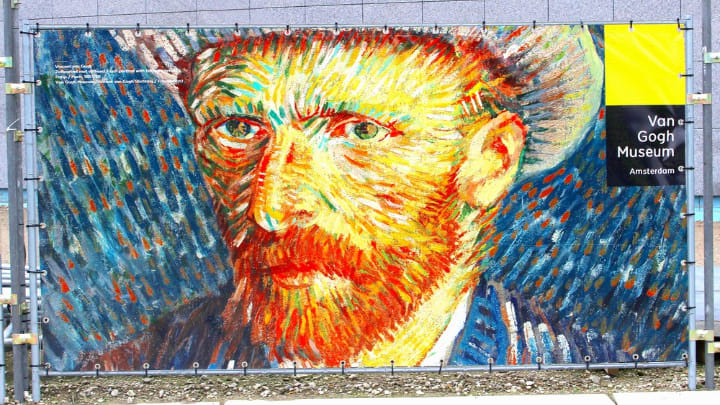
Among Amsterdam’s extensive selection of globally significant art galleries, the Van Gogh Museum remains the king. Understandably a great source of cultural and artistic pride for the Netherlands, the site houses the world’s most complete collection of works by history’s most famous painter.

Attracting art aficionados and curious visitors alike from the world over, the museum is home to over 200 of the Dutch artist’s paintings, alongside more than 500 drawings and 700 letters. The site also hosts a rolling series of temporary exhibitions related to the works of Van Gogh, his contemporaries and his impact on the art world as a whole.

Anne Frank House

Recommended Visit: 1 hour

Perhaps the most visited historical site in Amsterdam is the Anne Frank House. Left virtually untouched structurally for the best part of a century, this unassuming canal house now serves as a museum and potent reminder of the difficulties and religious persecution experienced by jews and other minority groups during the Second World War.

Originally the premises of the Frank family business, the building would later come to house the hiding place in which the family of the famous wartime diarist evaded German capture for almost two years. While the house is now empty of most original furniture, the original annex in which they hid still stands, continuing to breathe the tense atmosphere of the period.

Engaging Activities

Heineken Experience

Recommended Visit: 90 minutes

Historic home to one of the world’s most lauded beer brands, Amsterdam’s Heineken Experience takes visitors on a unique behind-the-scenes journey through the creation and history of the globally popular pilsner. The tour guides visitors through every aspect of production, from inception to brewing to marketing, before rounding off with a much-anticipated tasting session.

Nightlife

Recommended Visit:

Among many other things, Amsterdam is renowned for offering one of the best nightlife scenes in all of Europe. Popular venues can be found throughout the city, but as a general rule of thumb, the old area of Jordaan is typically very popular with young people for its trendy bars. Nes typically attracts more of an intellectual theater crowd, and the clubs on Leidseplein and Rembrandtplein serve as a fantastic end to the night.

Retail Therapy

Recommended Visit:

If you’re looking to grab some European bargains or to pick up a souvenir or two from your trip, Amsterdam has you sorted. The Negen Straatjes (‘Nine Streets’) is a collection of narrow, historical streets at the heart of the canal district, replete with charming cafés and restaurants alongside a wide selection of both unique, independent stores and chain boutiques.

For the best retail experience that Amsterdam has to offer, you’ll want to take yourself to Kalverstraat and Leidsestraat, as well as the Kalverpassage shopping mall that connects the two. The Magna Plaza is your best bet for more of an independent mall experience, while De Bijenkorf is your best source for all things designer and luxury.

Outdoor Escapes

Canal Cruise

Recommended Visit: Varies per provider

Most likely the first thing most people associate with Amsterdam is its iconic waterways. Originally serving as means of water management, defense and facilitating trade, the capital’s labyrinthine canals accounts for 25% of the city’s surface area.

With tourism now accounting for a huge portion of Amsterdam’s economy, the canals have evolved to serve largely as a unique means for visitors to explore the city from a new perspective. There’s a whole host of canal tour operators providing excursions through the city center, often accompanied by valuable local insights into the cultural and historical significance of many of Amsterdam’s top attractions.

ARTIS Royal Zoo

Recommended Visit: 2 hours

One of the oldest zoos in Europe, the Natura Artis Magistra was established in the mid-1800s and has since continued to offer an enchanting escape from the busy streets of Amsterdam for families and nature lovers alike. Commonly known simply as ARTIS, the location comprises both a botanical garden and zoological garden.

Home to over 200 unique species of trees – many on the brink of extinction – alongside over 900 animals from all manner of habitats around the world, the zoo serves to educate visitors as to the vital role that every living creature plays in nature. The site is also home to an aquarium, a planetarium and an impressive art and sculpture collection.

Parks

Recommended Visit:

For a brief escape from the bustling city streets, Amsterdam is home to a wide selection of beautifully serene green spaces. Most popular among these is the Vondelpark, whose 120-acre footprint houses ancient trees, scenic lakes, charming gardens and a variety of delightful bars and cafés.

Westerpark is another popular choice as, connecting to the Westergasfabriek complex, it serves as a home to some of the city’s most hip bars and restaurants, along with an arthouse cinema. Visitors can hire a boat to cruise along the Haarlemmerweg canal into the city, or attend some of the great food and music festivals hosted in the park throughout the year.

Getting Around

Public Transport

While most of the city center is easily accessible on foot, with most top attractions rarely more than a short walk from one another, Amsterdam’s extensive public transport system can be a huge boon for getting your two-day itinerary rolling smoothly.

Between the capital’s three primary bus operators, 14 tram lines and 39 citywide metro stops, you should have no trouble at all hopping from the likes of the Rijksmuseum straight to Westerpark at your leisure. If you’re trying to cover a lot of Amsterdam in a limited amount of time, public transport can often cut your journey time by at least half when compared to simply walking.

All of the services within the Amsterdam public transport system are integrated with each other, meaning any multiple-use pass you purchase will be valid on any mode of transport. You can buy single- or multi-use tickets at most transport hubs, alongside passes valid from anywhere between 24 and 96 hours should you plan to use public transport fairly regularly.

Cycling

If you’re looking for the full Amsterdam experience, then there’s nothing more truly Dutch than exploring the city on your own set of wheels. With over 470 miles of cycle lanes making up the Amsterdam Bicycle Network, cycling is easily one of the most convenient means of getting around. Most rental shops dotted throughout the city offer rates of around €10/day.

On the Water

While we’ve already covered the value of Amsterdam’s canals for providing a new perspective on the city, they also serve as a great way to get around the city center. A ticket for a hop-on, hop-off boat tour can last you the whole day or even your whole trip and offers much the same experience as other tours, while also operating regular stops to help you get from A to B. That being said, given the limited range of the canals, it should be noted that this is not a viable means of traversing the whole city.

Robert Heaney
Go City Travel Expert

Continue reading

Elevated view of Amsterdam's Church of St. Nicholas among surrounding city
Blog

Amsterdam in September

As the final hoorah to its peak tourism season, September serves as Amsterdam’s busiest month for the rest of the year to come. Families and younger crowds make way for generally more mature and individual demographics, making for an overall more thriving and intimate atmosphere. Throw in some of the year’s hottest cultural events and a globally renowned nightlife scene, and a trip to Amsterdam in September is not one to be missed. Visiting Amsterdam in September Average Temperature: 50 - 64°F • Average Rainfall: 10 days/mth • Average Sunshine: 5 hours/day Marking the final hoorah of Amsterdam’s peak tourism season, September sees sustained masses of visitors throughout the month. While you’re less likely to come across families at this point, many individuals and groups tend to fill their place in hopes of joining in on the high season spirits. As such, many top attractions and activities are likely to remain busy, with significant queues and waiting times almost guaranteed. Airfare and accommodation rates will also often stay high until later in fall. However, so long as that doesn’t deter you, September can be one of the best times to visit, with nightlife thriving like never before and the city as a whole offering an overall electric atmosphere. With summer on its way out, average temperatures begin to dip very slightly, making for a generally mild climate across the board. Most days should be clear and warm enough to offer great conditions for exploring Amsterdam’s iconic streets and squares, though if you’re lucky, you may even get a few days of real summertime heat. One thing that’s certain, however, is the Netherlands’ unpredictable changes in weather, so it’s never a bad idea to pack an umbrella just in case. Things to Do in September No matter the time of year, any trip to Amsterdam would be incomplete without discovering at least some of its famous cultural hubs. Taking precedence is the emblematic Rijksmuseum towering over the Museumplein, housing a vast collection of renowned artworks and historical artifacts. Where historical insight is concerned, the Anne Frank House stands as the most potent recounting of life in the Netherlands during the Second World War. As a city with more bicycles than people, there are few better ways to explore Amsterdam than on your very own pair of wheels. Over 470 miles of cycle paths make up the Amsterdam Bicycle Network, making for a fantastic excuse to take a more physically active approach to exploring the capital. Many bike rental stores offer daily rates somewhere in the region of €10. There’s no better time than summer to make the most of Amsterdam’s many sprawling green spaces. The weather in September offers a perfect opportunity to take a stroll among Vondelpark’s ancient trees and stunning lakes, and grab a seat at one of its many charming park cafés. Equally, why not have a picnic in Westerpark, make the most of its live summertime events and shows, or even catch a viewing at its very own arthouse cinema? Second only to cycling, Amsterdam’s emblematic waterways offer a uniquely alternative means of seeing the city. You can choose from a large variety of tour operators offering their own canal boat excursions, often including tours of the capital’s key landmarks accompanied by local insights into their cultural and historical significance. Amsterdam’s nightlife scene is never better than in summer, when you can expect most bars and clubs to be brimming with life. Popular venues can be found throughout the city, but as a general rule of thumb, the old area of Jordaan is typically very popular with young people for its trendy bars. Leidseplein and Rembrandtplein are particularly popular for their club offerings, while the street of Nes often attracts more of an intellectual theater crowd, particularly around this period. Events in September Dutch Theater Festival Each September, the Dutch Theater Festival sets up shop to revisit the best theatrical offerings of the season. One of the biggest industry events in the Low Countries, the festival typically takes place over 11 days and offers a rich and varied program exploring the latest developments in the performing arts. Showings take place across multiple venues throughout Amsterdam’s theater district in and around Leidseplein and Nes. A number of performances are accompanied by English subtitles, while others are aimed at a younger crowd, making for a wide selection of options for different audiences. A number of exclusive events also invite the presence of some of the biggest names in Dutch and Belgian theater. Amsterdam Fringe Festival Running simultaneously with the Dutch Theater Festival, the Amsterdam Fringe Festival stands as its counterpart’s quirky sister event in its emphasis on avant-garde theater. With a central focus on promoting total artistic freedom, the festival encourages visitors to explore the fringes of both the performing arts and the city, with performances taking place in all manner of venues, from open stages to obscure garages. Thanks to the emphasis on artistic independence and experimentation, performers of all disciplines and backgrounds help to offer up a vast, open program of entirely unique and unpredictable performances. Many shows are suitable for English audiences, while others are entirely absent of language barriers. Valtifest Held within a former waterfront dockyard at Kaap Oost, Valtifest is considered the wild child of Amsterdam’s summer festival scene. The event takes place on the first Saturday of September and brings together an impressive roster of established DJs for an openly whacky party punctuated by house, electric, dance and hip-hop beats. A vast program of sideshows and performances also runs throughout the festival. Each year, the organizers of Valtifest establish a central theme for the event, which attendees take very seriously in deciding on their festival costumes. Past themes have included Folklore, Seven Deadly Sins and All in the Family, and visitors never fail to pull out all the stops. For one of the most electric festival vibes of the year, this is the event to Open Monumentendag As part of the European Heritage Days event held during the second weekend in September, the Netherlands opens the doors of thousands of the country’s most significant heritage-listed buildings and houses in a nationwide event known as Open Monuments Day. With most of these buildings accessible free of charge, visitors have the chance to explore some of Amsterdam’s most iconic historical buildings. Alternatively, with more than 80% of the country participating in the event, those interested can also explore the likes of the political heart of The Hague, the renowned theaters of Leiden, the fortifications of Utrecht and the medieval churches of Maastricht. Many open buildings also offer unique activities, tours and exhibitions exclusive to this event.
Robert Heaney
Self portrait of Vincent Van Gogh on a banner for Van Gogh Museum
Blog

Best Art Galleries in Amsterdam

Famous the world over for its rich cultural heritage, the Netherlands has produced its fair share of renowned artists. Having played a huge role in immortalizing Renaissance and Golden Age art as some of the most impressive works in history, these artists are now celebrated internationally, and Amsterdam makes sure to put their pieces front and center among its popular cultural hubs. Whether you’re a fan of the Old Masters or have more of a heart for modern media, the Dutch capital is overflowing with spaces to get your art fix. No matter your preferences, the best art galleries in Amsterdam cater to just about every medium, and are a fantastic means of seeing some of the most impressive works from national artists both old and new. Rijksmuseum One of the most important museums in both the Netherlands and indeed Europe as a whole, the Rijksmuseum stands as the largest museum in Amsterdam. Dominating the popular Museumplein, the museum is easily one of the most recognizable monuments in the city, most notably for its striking Renaissance- and Gothic-inspired architecture. The grand halls of the Rijksmuseum are home to a vast collection of art pieces and historical artifacts, illustrating the art and history of the Netherlands from the Dutch Golden Age to present day. Among its more than 8,000-strong collection are priceless pieces from such renowned Dutch artists as Rembrandt and Vermeer, including the former’s famous Night Watch painting. Van Gogh Museum Having lived and worked in the Netherlands throughout his life, it’s only fitting that Amsterdam’s most significant art gallery be dedicated to the world’s most famous painter, Vincent Van Gogh. Just a brief walk from the Rijksmuseum, the Van Gogh Museum stands as the most complete permanent collection of the Dutch painter’s works. Among the gallery’s vast collection of permanent exhibits are over 200 original paintings and 500 drawings from the Post-Impressionist artist, alongside exhibitions showcasing the works of his contemporaries. The museum is separated chronologically into five periods, each exploring a different key period in his life and work. MOCO Museum With Amsterdam’s vast wealth of impressive artworks dating back throughout the centuries, it’s easy to overlook the works of more modern visionaries. That’s exactly what the MOCO Museum aims to remedy. Short for Modern Contemporary Museum, this modern art hub sits just next door to the Van Gogh Museum, showcasing more modern media to parallel Amsterdam’s established masterpieces. The MOCO Museum showcases a wide range of contemporary media and artworks, allowing visitors to explore both modern master works and the talented pieces of upcoming artists. Popular among the museum’s collection are various interactive installations, an ever-changing sculpture garden and a number of iconic pieces from the likes of Banksy, Damien Hirst and Jeff Koons. Stedelijk Museum Striking both inside and out, thanks to its bathtub-shaped extension, the Stedelijk Museum is Amsterdam’s principal institution for modern and contemporary art. Overlooking the Museumplein and Van Gogh Museum, it’s the largest museum in the Netherlands dedicated to contemporary art and design, comparable in both size and collection to the likes of New York’s Museum of Modern Art. Throughout its vast collection, the Stedelijk Museum showcases the works of modern artists from the early twentieth century to the present day. A variety of immersive exhibition rooms complement the permanent collections of renowned modern masters, from Picasso and Monet to Warhol and Lichtenstein. Amsterdam Museum Combining both historical artifacts and striking artworks, the Amsterdam Museum stands as the Netherlands’ most complete public chronology of the Dutch capital’s history. The museum sits within the canal band, just a short walk from the Royal Palace of Amsterdam. The museum documents the city’s growth from a thirteenth-century settlement on the banks of the River Amstel to the thriving cultural center we know today. Everything from archeological finds and historical artifacts to the works of such Dutch masters as Rembrandt help to paint a picture of life in Amsterdam and the Low Countries as a whole throughout various periods in history. EYE Film Institute While not an art gallery in the most traditional sense, the EYE Film Institute is the Netherlands’ most important center dedicated to the medium of film and the moving image. Instantly striking from its beautiful modern architecture and open waterfront location, the museum stands directly across the river from Amsterdam’s Central Station. Visitors to EYE Amsterdam can enjoy a selection of classic screenings across its four main cinemas and explore the many facets of the film industry through its expansive exhibition area. The museum explores current, historical and artistic developments in film, while its interactive basement offers visitors the opportunity to explore its vast digitized collection. EYE also hosts an impressive program of immersive, educational events and activities for families and individuals alike to learn about the industry. Hermitage Amsterdam Located on the banks of the River Amstel, the Hermitage Amsterdam is the world’s largest branch of the famous Hermitage museum in Saint Petersburg, Russia. Once a historical nursing home for the elderly, the building now houses a vast, rotating collection of artworks and engaging exhibitions with a central focus on Russian history and culture. FOAM Photography Museum Housed within a beautiful former canal warehouse, the FOAM Museum (Dutch: Fotografiemuseum Amsterdam) is an internationally renowned museum dedicated to all genres of photography. The venue’s cozy modern interior exhibits works from both world-famous visionaries and rising international talent. Spread across four floors, FOAM typically hosts up to four simultaneous exhibitions to provide some variety to visitors, often featuring contrasting styles such as street and landscape photography. The venue also serves as a forum for photographers and enthusiasts alike to discuss their shared interest and attend various workshops and events. Cobra Museum of Modern Art Showcasing contemporary art with a unique twist, the Cobra Museum is home to a collection of important works by central artists of the avant-garde CoBrA art movement. Considered the most important post-war art movement in the Netherlands, CoBrA was formed in 1948 during an international artists’ congress in Paris. The movement strived to oppose stuffy academia and revive a more spontaneous, innocent and childlike approach to artistic expression. The museum features key works from master artists and engineers of the movement, Appel, Corneille and Constant, alongside various pieces from their contemporaries. An additional wing also houses modern works from the Rijksmuseum and the Museum Beelden aan Zee in Scheveningen.
Robert Heaney

Have a 5% discount, on us!

Sign up to our newsletter and receive exclusive discounts, trip inspiration and attraction updates straight to your inbox.