
Why you should visit London in July

St Paul's Cathedral looking resplendent from Fleet Street

If there’s a month to see London at its best, it has to be July. This is the month when Londoners let their hair down and bask in mid-summer temperatures that stay pleasantly warm until dusk settles at around 10PM.

The promise of great weather sees everyone who’s anyone relax in London’s multitude of outdoor spaces, be that a Royal Park or a rooftop bar for a glass of rosé. There’s also a myriad of festivals throughout London in July, as well as once-a-year opportunities including the summer opening of Buckingham Palace.

Discover royal London

Image of Housing, House, Buckingham Palace, Landmark, Mansion, Palace,

It’s in July that Buckingham Palace – the monarch’s official London residence – opens its doors to the public. Entering via the building’s ceremonial entrance and grand gilt staircase, visits take in 19 state rooms.

Used for official functions, such as investitures and the welcoming of foreign heads of government, they include the Throne Room, White Drawing Room and Ballroom. If that isn’t enough, each year a different exhibition is staged using artefacts from the royal collection – providing further insight into the many roles played by British royals.

The objects on display at the RHS Hampton Court Palace Garden Festival are no less impressive for their shorter lifespans. The largest horticultural event in the capital’s calendar, attractions range from a festival of roses to celebrity workshops, all amid the Tudor palace’s spectacular grounds.

Dating back hundreds of years, Swan Upping takes place on the Thames over several days in July. Starting at Eton Bridge beside Windsor Castle, Swan Uppers in traditional Thames skiffs count the year’s cygnets to ensure the river’s swan population remains healthy.

Make the most of the long July evenings
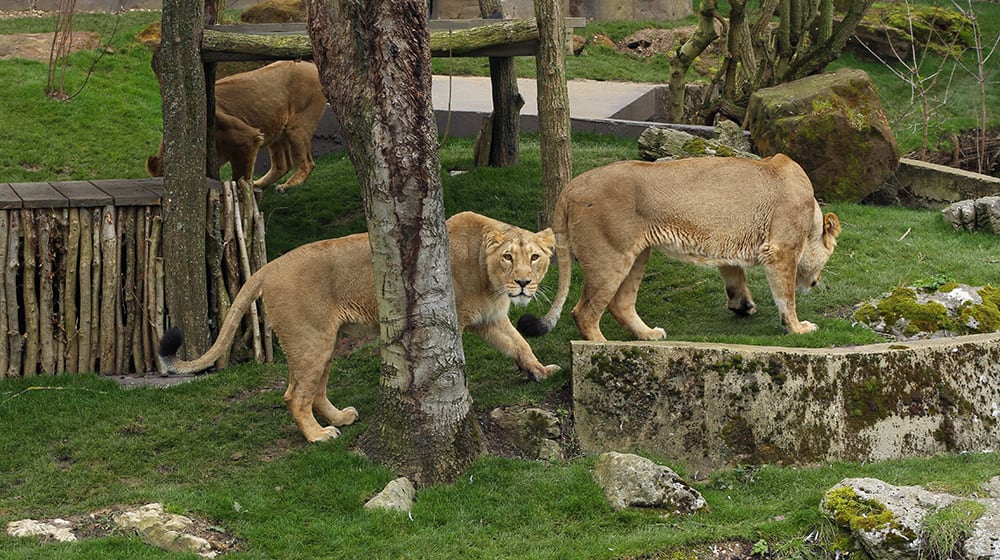
Image of Animal, Lion, Mammal, Wildlife, Cow, Field, Grassland, Nature, Outdoors, Zoo,

The royal connections continue at Kensington Palace, which is the location of one of the open-air pop-up giant cinema screens that appear throughout London from July. Other locations include Clapham Common, Somerset House and Trafalgar Square, with screenings varying between Hollywood classics, family favorites and the latest blockbusters.

For a very different kind of performance head to the Royal Albert Hall, where eight weeks of classical music concerts, together known as the Proms, kick off in July. A firm fixture since 1895, the series culminates in the Last Night of the Proms – one of the more patriotic nights in London life.

Life in all its forms can be enjoyed with adults-only Twilight Tickets to ZSL London Zoo. Besides seeing the zoo’s wild animals at one of the calmer times of day, these special nights also host a chill out zone and street food vans should you get hungry.

Go sports mad in London in July

Image of Tennis, Tennis Ball, Racket, Tennis Racket, Grass,

The world’s oldest tennis competition, the Wimbledon Championships, take place on the verdant green lawns of southwest London in an annual parade of the very best sporting talent, some two million strawberries and 54,000 tennis balls. Even if you can’t nab a much sought after ticket for the show courts, ground passes are a great way to soak up the atmosphere.

And whilst 2012 may be long gone, the spirit of the London Olympics lives on in Queen Elizabeth Olympic Park. Occupying a swath of the capital’s east, free trails connect up some of the park’s most important structures. Tour the London Stadium, grab a selfie with the Olympic rings or get the adrenaline flowing with a ride down the world’s longest slide from the top of the ArcelorMittal Orbit tower.

Revel in summer festivals

Image of Urban, Adult, Female, Person, Woman, Baby, Club,

Just one demonstration of London’s diversity is the array of festivals which take place in London in July. Open to LGBT+ allies from all walks of life, Pride is the only event in the year to close Oxford Street to traffic. In place of the black taxis and red double-decker buses, you’ll see eclectic floats making their way to the main stage on Trafalgar Square.

Take in the riverside between London Bridge and Tower Bridge and you’re sure to be sucked into the festival-like atmosphere created from outdoor eating and an event’s list covering everything from karaoke to open-air fitness classes.

Then there’s the capital’s music festivals. British Summer Time brings some of the world’s biggest stars to Hyde Park, having welcomed Celine Dion, Bruno Mars and Green Day to previous editions. Elsewhere, fans of urban music won’t want to miss Wireless, whose acts have included the home-grown talents of Stormzy among its A-list setlists.

Stroll in the city’s parks and gardens
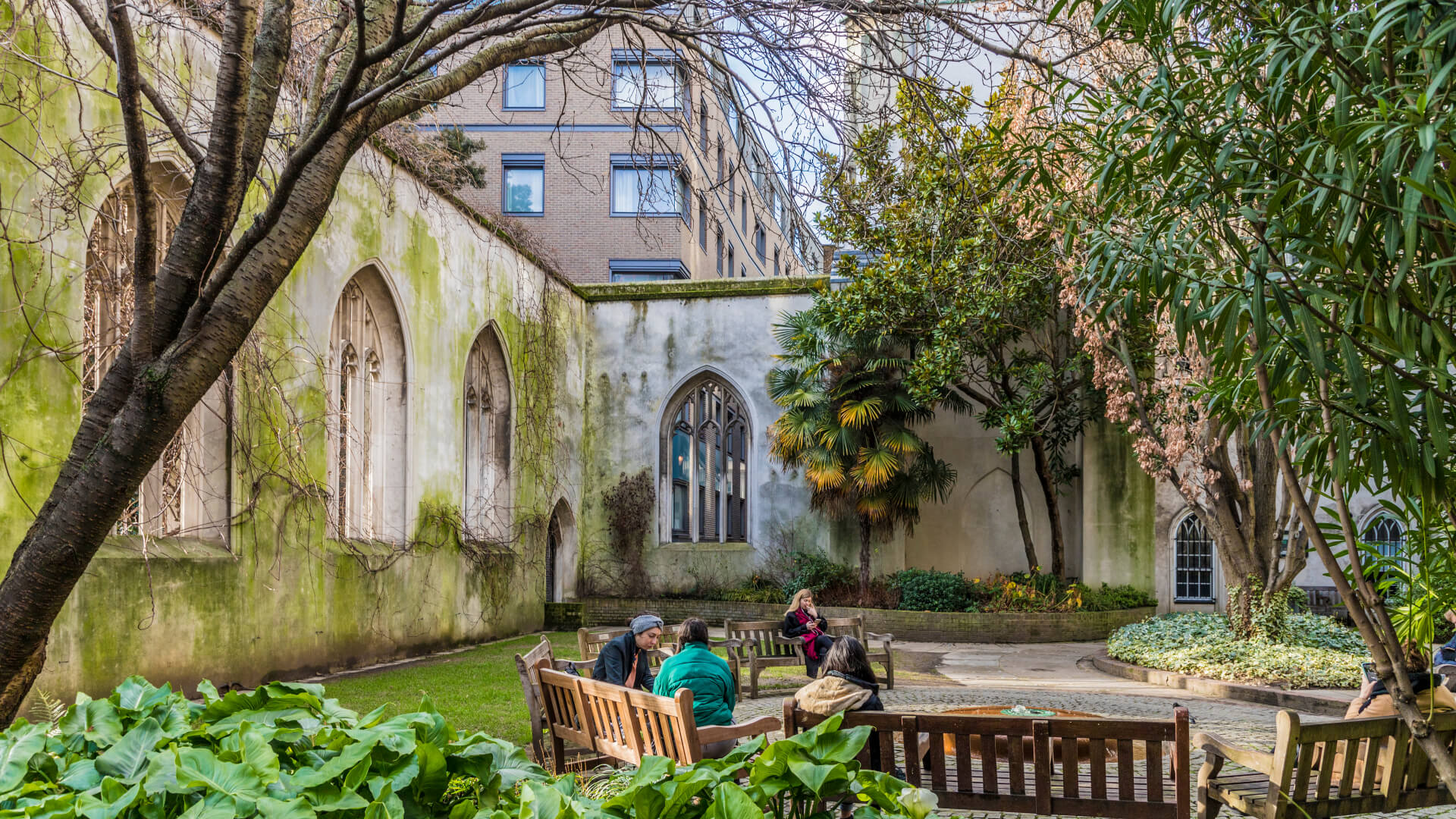
Image of Garden, Nature, Outdoors, Grass, House, Housing, Villa, Tree, Tree Trunk, Person, Bench, Furniture, Patio, Neighborhood, Arch,

A hop, skip and a jump away from where Stormzy grew up in south London is Dulwich Park. Edged by Dulwich Picture Gallery – England’s oldest purpose-built art space – and close to Brockwell Lido, the park has recently been returned to the glory of its late-Victorian heyday.

Kensington’s Holland Park spreads out around the remains of the Jacobean era Holland House. Sub-divided into several sections, its northern extent is dominated by woodland, whilst its inner core contains a formal garden and the Kyoto Japanese garden.

St Dunstan-in-the-East also makes use of London’s historic architecture, in this case an 11th-Century parish church. Rebuilt by Sir Christopher Wren, it was unfortunately damaged beyond repair during the Blitz in the Second World War. Today, it forms a hidden oasis among the hustle and bustle of the ancient city.

London weather in July
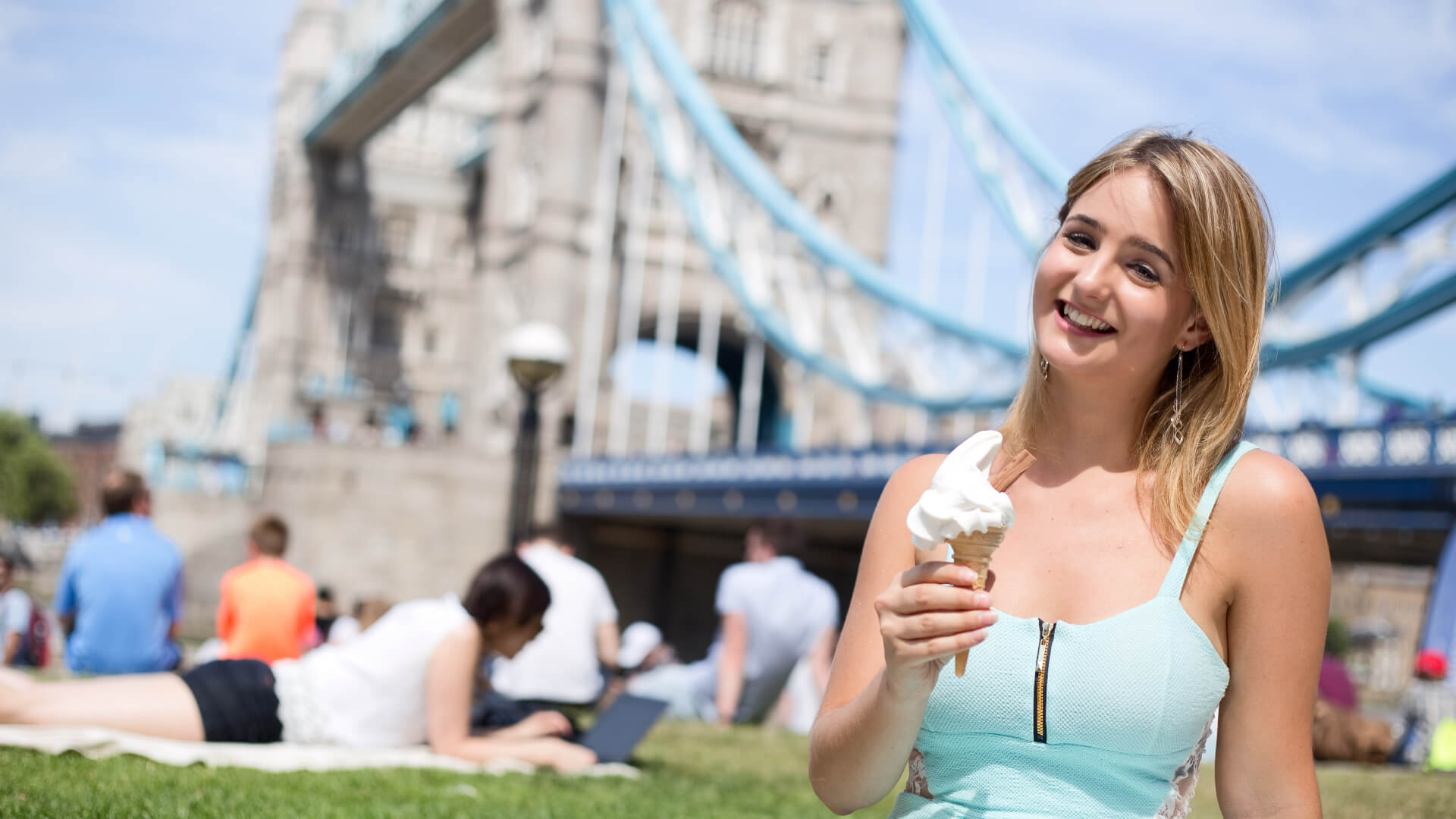
Image of Cream, Dessert, Food, Ice Cream, Adult, Male, Man, Person, Female, Woman, Frozen Yogurt,

Neither too hot nor too cold, London in July has some of the best weather of the year. Daily temperatures hover around 19°C, hardly ever dropping below 14°C or rising above 23°C. Rain is light, and rarely affects anyone’s plans.

Sunshine is abundant, and daylight stretches for a staggering 16 hours per day, making T-shirts and vest-tops the best items to pack. It’s unlikely you’ll need anything thicker than a light sweater, although you’ll probably still want an umbrella just in case.

Save on July London attraction admission

Keen to experience all London has to offer in July? Admission to a whole host of London’s top attractions can be had with Go City, providing flexibility and great savings. Check out @GoCity on Instagram and Facebook for all the latest hints and tips.

Ian Packham
Go City Travel Expert

Continue reading

Brixton underground station and Electric Avenue at night.
Blog

Things to do in Brixton London

One of London’s most culturally rich neighborhoods, Brixton has a bit of something for everyone. Glorious green space rubs shoulders with vibrant urban street art and the best saltfish fritters you’ll taste this side of the West Indies. Brixton Village life Brixton’s kaleidoscopic Afro-Caribbean heritage is writ large across its bustling market. A huge neon sign points the way to Electric Avenue – the street immortalised in Eddy Grant’s 1983 smash hit – where you’ll find stalls selling fresh produce from plantains to crustaceans, as well as fashion accessories and household goods. Cross the road to enter Brixton Village beneath the railway arches, where trains rumble overhead and the delicious aromas of jerk chicken and freshly roasted coffee vie with dozens more intimate independent eateries. Here, you’ll find everything from artisan pizza to Chinese and Vietnamese street food, burritos, burgers and authentic, modern Caribbean cuisine: think cod fish fritters, curried mutton roti and fried plantain. Yum. On the other side of the railway arches is Pop Brixton, a buzzing pop-up mini-village built from shipping containers. Drop by for poetry nights, community yoga, open mic events and yet more sizzling street food, independent bars and boutiques. Follow the railway line a few yards further to find the Brixton Brewery Taproom. Tucked away under the arches, this local success story serves up a thirst-quenching range of small-batch craft lagers and pale ales from Wednesday to Sunday. Grab some of their colorful cans – inspired by the vibrant batik fabrics sold in Brixton market – to take away. Brixton’s cultural heritage Eye-catching street art is on display at almost every turn in Brixton. It’s like one enormous open-air gallery of contemporary artworks and, best of all, it’s free! Up-and-coming local graffiti artists ensure this highly Instagrammable ‘exhibition’ is ever-changing, but many of the neighborhood's best-loved murals are here to stay. Fully restored to its former glory in 2021, Nuclear Dawn is a Cold War-era masterpiece that depicts a grimacing skeleton striding over a bomb-ravaged London. It’s just across the street from Brixton Village. Meanwhile David Bowie – one of Brixton’s most famous sons – is immortalized in a much-loved portrait on the side of Morley’s department store. The painting has become something of a shrine for fans since the starman’s death in 2016. Many other murals reference the area’s Black heritage and the Brixton uprising. Steven Pusey’s Children at Play is well worth checking out. This huge painting just off Brixton Road was created in the wake of the 1981 riots and portrays racial harmony among local kids. For more on the history of Black heritage and cultural identity in the UK, head to the Black Cultural Archives on the east side of Windrush Square. Inside this Georgian townhouse, you’ll find important collections and temporary exhibitions documenting the Black British experience and celebrating prominent Black Britons. Windrush Square itself – named for the ship that brought the first Caribbean immigrants to the UK in the 1940s – carries huge local significance and is frequently used as a site for celebrations and events including mini-festivals and food markets. Arts and culture in Brixton Brixton’s Ritzy cinema has been keeping locals entertained for over a century, since its inception as the Electric Pavilion during the silent movie era. Nowadays it’s as much community hub as cinema, with a trendy bar serving food and craft beers, and tables that spill out onto the street in summer. Expect a mix of the latest blockbusters, independent movies and old classics showing across its five screens. Head to the top-floor bar, Upstairs at The Ritzy, for nightly entertainment including live music and DJ nights. Perhaps unsurprisingly, Brixton isn’t short of a music venue or two. Within the hallowed walls of the O2 Academy, a striking Art Deco building that dates back to the 1920s, fans have witnessed epic performances from the likes of Madonna, Bruce Springsteen, the Foo Fighters and Iggy Pop. Grab yourself the latest hot ticket and follow the crowds towards the venue’s near-iconic neon-lit dome. Gallery seating upstairs and a clever sloping floor downstairs mean you get a decent view of the action even if, inevitably, you’re stuck behind the world’s tallest person. Over on Brixton Hill, the Electric’s mix of live bands, celebrity DJs and reggaeton club nights caters for an eclectic range of tastes, whilst Windmill Brixton is the place to go to catch up-and-coming acts before they make it big enough to graduate to the Electric or O2 Academy. The great outdoors Stroll a few minutes south from Brixton’s intoxicating urban thrum, and you’ll find yourself in the enormous expanse of green space that is Brockwell Park: 50 acres of gently undulating hills with splendid views across the city. Scan the skyline and even the untrained eye will pick out The Shard, the London Eye and the distant dome of St Paul’s Cathedral. Entering the park from Brixton’s Water Lane, the paths diverge left and right. Head left for the popular Brockwell Lido, a 50-meter outdoor pool that’s open year-round. It’s unheated though, so you might want to consider a wetsuit if you’re visiting in January! Just beyond the lido, hop aboard the cute miniature railway that operates from spring through fall. Bearing right from Water Lane, you’ll pass a fantastically fun kids’ playground with tunnels, rope bridges and fortresses, before emerging at the duck ponds, home to a range of wildlife including swans and gray herons. There’s a delightful walled English garden just opposite the ponds, with a central fountain and mulberry tree, as well as lots more to discover around the park: wildflower meadows, BMX tracks, tennis courts and, perhaps most importantly, a hilltop café serving ice cream. Save on things to do in Brixton Save on admission to London attractions and explore Brixton and beyond with Go City. Check out @GoCity on Instagram and Facebook for the latest top tips and attraction info.
Stuart Bak
Stuart Bak
Lion at the base of Nelson's column Trafalgar Square
Blog

Best time to visit London

Britain’s capital is a captivating mix of history and culture year-round, and as such, there’s no best time to visit London. Caressed by the warming gulf stream, it experiences mild temperatures for its latitude – further north than Vancouver in Canada. Dodging a shower or two is a rite of passage for visitors to London, and even in the depths of winter daytime temperatures rarely fall below freezing. Each season shows another side to this constantly evolving metropolis of over nine million people. The crisp spring air brings out vast banks of flowering plants in the gardens of Kew and Hampton Court Palace, whilst summer is packed full of outdoor events. Fall’s changing weather makes a great excuse to explore London’s food scene, whilst winter encompasses Christmas, New Year and Valentine’s Day celebrations. What’s the weather like in London in spring? Roughly coinciding with the period from late March through to late May, spring in London sees a new found sense of momentum hit the capital’s streets. Temperatures may not have reached their peak, averaging 13 – 17°C, but the move to British Summer Time lengthens days and the city’s famed rainfall is no greater than at any other time of year. Things to do in London in spring London’s green spaces come back to life with a flourish in spring. Woodland bluebells and parkland daffodils erupt from the very beginning of March, with the cherry blossom of the Royal Botanic Gardens at Kew and Greenwich Park following closely behind in April. May then sees the grounds of the Royal Hospital Chelsea – a nursing home for military veterans – taken over by the show gardens of the RHS Chelsea Flower Show. The world’s most prestigious horticultural event, it’s visited by everyone who’s anyone, including the royals. Don’t despair if umbrellas are the order of the day, there’s always the covered Sky Garden at 20 Fenchurch Street, better known as the Walkie-Talkie building. When it comes to new life of the animal variety, look no further than ZSL London Zoo, the world’s oldest scientific zoo and a vital cog in active breeding programs for animals as diverse as gorillas to Galapagos tortoises. Typical weather in London in summer Historically, the summer months have been considered the best time to visit London as they give the greatest guarantee of good weather. This is the time of year when riverside restaurant terraces and rooftop bars come into their own. July is the hottest month of the year, with temperatures averaging a pleasant 22°C and headline writers going into overdrive should the mercury creep anywhere near 30°C. July is also a month of long, warm evenings doused in natural light until 10PM. The drawback is that humidity can become a factor, and you might want to swap the Tube for an open-top hop-on hop-off bus. Things to do in London in summer London in June, July and August is the time of outdoor festivals, from Trooping the Colour to the Notting Hill Carnival. The Queen’s official birthday celebrations, Trooping the Colour takes place on Horse Guards Parade in St James’ Park. Attended by the nation’s movers and shakers, it’s a Changing of the Guard on steroids, and sees the capital at its most majestic. Bridging the last days of June and first days of July, the leafy suburb of Wimbledon in southwest London takes center stage by playing host to possibly the world’s most coveted tennis competition. The Wimbledon Championships sees London go tennis crazy, with public screens popping up across the capital. But there’s nothing quite like being at the All England Club, whether with a grounds pass or on one of the show courts. Neatly wrapping up the London summer is the Notting Hill Carnival, spread across two days during the late summer public holiday. One of the world’s largest street carnivals, it traces its history back to the West Indian population that settled the area in the 1950s and 60s, and has become a much-loved part of the capital’s calendar. London weather in fall The steady fall in temperatures – to a daily average of 15°C in October and 10°C in November – means a warm coat is the order of the day. On the plus side, London’s thoroughfares adopt a mellower vibe with the steady fall of conkers from the capital’s horse chestnut trees. Stroll through Hyde Park, and as well as Wellington Arch and Kensington Palace you’ll find children and adults alike picking up particularly fine specimens of this inedible nut, since it holds a special place in the hearts of anyone who grew up in London. Things to do in London in fall The start of fall coincides with the Open House Festival, where usually private addresses are opened to the public. If you’ve ever wondered what goes on behind the black door of the Prime Minister’s official residence at 10 Downing Street, or want to see where Phileas Fogg set off to go around the world in 80 Days in the Jules Verne classic, then this is the London fall event you won’t want to miss. Whilst Halloween is making headway in the capital, it’s still Guy Fawkes’ Night (Bonfire Night) five days later that takes the fall crown. Marked by backyard bonfires and public firework displays equal to anything on Independence Day in the US, it commemorates the foiling of a plot to blow up the Houses of Parliament over 400 years ago. But Guy Fawkes’ Night isn’t even the oldest event to take place in London in fall. This honor goes to the Lord Mayor’s Show in the City of London, the historic ‘square mile’ bounded by the Tower of London, Temple Church (from Dan Brown’s The Da Vinci Code), the Barbican arts center, and the north bank of the River Thames. Riding in a glittering state coach the new Lord Mayor is welcomed to the city with a procession of cheerleaders, drummers, brass bands and costumed performers from around the world celebrating the capital’s diversity in an event dating to the 13th Century. London in winter Rarely does the London winter weather put too great a damper on the festive season. Temperatures generally hover around 3°C, so snow and any resulting disruption is rare. Outside of the Christmas period, winter is the cheapest time to visit London, although there’s still plenty to keep visitors enthralled and even now crowds aren’t unheard of. Things to do in winter in London Leading up to Christmas, major shopping areas like Oxford Street and Stratford’s Westfield shopping mall are filled with cheer. The city’s main roads are draped with Christmas lights, whilst stores do all they can to tempt shoppers through their doors with attractive window displays. A few short days later, London comes alive once more for its New Year’s Eve fireworks. Centered on the London Eye, the UK’s largest fireworks display contains some 12,000 individual fireworks in a display triggered by the ‘bongs’ of Big Ben. Needless to say, the revelry continues until the early hours. For those with romance in mind, the best month to visit London has to be February. The capital’s hotels and restaurants pull out all the stops to make any Valentine’s Day stay extra special, with a traditional British afternoon tea a great way to get things started. You then might consider taking in a show at the Southbank Centre, float along the Thames on a river cruise, or capture the sunset from The View from The Shard panoramic observation deck. Save on London attraction admission Admission to many of London’s top attractions can be enjoyed with Go City, combining flexibility with savings. Check out Go City on Instagram and Facebook for the latest.
Ian Packham
A tourist photographs a statue at the British Museum
Blog

The top free things to do in London

London’s reputation for being expensive (just check out the house prices), doesn’t mean vacations in the British capital have to break the bank. Many major museums are free to enter, whilst parks, markets and even some concerts will cost you absolutely nothing, leaving you free to spend your cash on other things. The list of free things to do in London is a long one, so here are a select few that will leave you quids in. Explore London’s museum collections Starting out with just 38 paintings in 1834, The National Gallery on the northern side of Trafalgar Square now has close to 2,500 artworks hanging from its cloth-lined walls. Concentrating on a mere 700 years of European art roughly corresponding with the years 1250 to 1900, some of its most famous works include da Vinci’s Virgin of the Rocks, van Gogh’s Sunflowers and Turner’s The Fighting Temeraire. Cross the Thames at Hungerford and Golden Jubilee Bridges and you’ll be perfectly located to continue your tour of free things to do in London at Leake Street Arches, the capital’s foremost space for graffiti and street artists. The freedom to spray means it never looks the same for long, and now also plays host to a Polish kitchen and board game café. Food sadly isn’t welcome at the British Library’s Sir John Ritblat Gallery, whose free permanent exhibition space includes some of the most important documents in British history. These include Magna Carta, a symbol of liberty and law to this day, and handwritten manuscripts by everyone from author Charlotte Brontë to Beatle Paul McCartney. Picnic in the park Nearly as many trees as residents, 14,000 species of wildlife and 3,000 parks – it’s no wonder London became the world’s first National Park City in 2019. Its public green spaces have acted as shared backyards, in some cases, for centuries. Its largest is Epping Forest, an area of woodland untouched since the time of William the Conqueror in 1066. Mountain biking and walking are popular pastimes here, with multiple short walks allowing visitors to soak up the spirit of the place and catch sight of its wild deer. Hampstead Health’s Parliament Hill also has a small population of muntjac deer, although it’s far better known for its panoramic views of central London, spanning from The Shard to Canary Wharf. For a sense of what you might expect at the Royal Botanic Gardens, Kew without the entrance cost and tube journey, there’s the Barbican Conservatory. An oasis of greenery, it’s London’s second-largest indoor garden, containing some 2,000 plants erupting from every surface. Pull back the leaves and you’ll also find a hidden pond filled with koi carp and terrapins. Take part in ancient traditions Things to do in London for free aren’t limited to the capital’s static attractions. Head to Buckingham Palace for mid-morning and you’ll be able to admire the pageantry of the marching bands involved in the Changing of the Guard. The full ceremony lasts 45 minutes, with the changeover between guard battalions taking place at 11AM. The best viewing spots go early, but Hyde Park’s southern boundary offers a crowd-free space to watch the mounted troops arrive and depart from Wellington Barracks. Whilst it’s not possible to enter the palace during the ceremony, it is usually possible to enter the neogothic splendor of the Houses of Parliament a short distance away. Members of the public are able to see the goings-on of the House of Commons (the green-benched lower house) from the perch of the Strangers Gallery. Along the way you can grab a glimpse of Westminster Hall, the oldest part of the complex and where royals lie in state. No pre-booking is required to visit Pugin’s pre-Raphaelite artworks or parliament’s central halls, although the Strangers Gallery fills up quickly for Wednesday’s Prime Ministers Questions. Less confrontational in nature are the free concerts taking place in churches and auditoriums across the capital. Often used as rehearsals to later paid events, classical works can be heard at a number of locations, including the bright interior of St-Martins-in-the-Fields off Trafalgar Square, Morley College’s Waterloo Center and Regent Hall on Oxford Street. Visit London’s top markets All walks of London life buy and sell at its plethora of markets, with voices from all over the world demonstrating why London is known as a city where everyone is welcome. When it comes to color and Instagram posts, make a beeline for Sunday’s Columbia Road Flower Market, which is packed full of blooms. The shadow of Waterloo Bridge plays host to the Southbank Centre’s daily book market, whose row after row of secondhand tomes are sure to include that out-of-print classic you’ve been searching for, in addition to a select pick of artworks old and new. The nearby space behind Royal Festival Hall also hosts a Friday – Sunday pop-up street food market, with aromas that drift towards the Thames sightseeing cruises mooring up at Westminster Pier. Back in east London, the stalls of Old Spitalfields Market sit beneath Victorian ironwork dating to 1876, though its history stretches back to the 1600s. Once a fruit and vegetable wholesale market, today’s stalls are a trendy blend of soul food spots, homeware and boutique fashions, with antiques taking over each Thursday. Take a stroll Getting out into fresh air is relatively easy, and as well as its parks and green spaces, London has numerous walks. The obvious place to start is the Jubilee Walkway, unveiled to mark 25 years of Queen Elizabeth II’s reign in 1977. Connecting many of London’s major landmarks, it runs for 15 miles, with the most popular stretch lining the south bank of the Thames from Lambeth Palace to Tower Bridge. Meanwhile, Regent’s Canal provides a place to wander without the crowds, taking in Paddington Basin, Little Venice, the howls of ZSL London Zoo’s wolf pack and popular Victoria Park along the way to its terminus on the Thames at Limehouse. You certainly won’t be disturbed by the residents of Brompton Cemetery, a grade I listed space containing around 35,000 memorials dating back to the 1830s. Among them you’ll find the graves of suffragette Emmeline Pankhurst and the scientist who discovered the cause of cholera, John Snow. Other ways to save in London There are a huge number of free things to do in London. But they’re not the only way to save when visiting the British capital. The Explorer Pass from Go City saves on admission at many of London’s top visitor attractions without you having to make any decisions on what to do beforehand. What’s more, all you need is your phone to get started!
Ian Packham

Have a 5% discount, on us!

Sign up to our newsletter and receive exclusive discounts, trip inspiration and attraction updates straight to your inbox.