
When should I visit Paris?

Published: July 18, 2024
Stores show off their goods in Passage Jouffroy

You can make a sensible case for summer being the answer to the question ‘when should I visit Paris’. After all, it has the best chance of good weather and the longest days.

But you can also say that spring is a brilliant time to visit since the city is flooded with flower blossom. And fall, when the foliage turns a multitude of oranges. And winter too, because of the Christmas and New Year celebrations.

Check out our seasonal breakdown to uncover when you should visit Paris, whether you’re looking for great weather, seeking out the calendar’s top events or are keen to discover the most budget-friendly time of year.

Summer
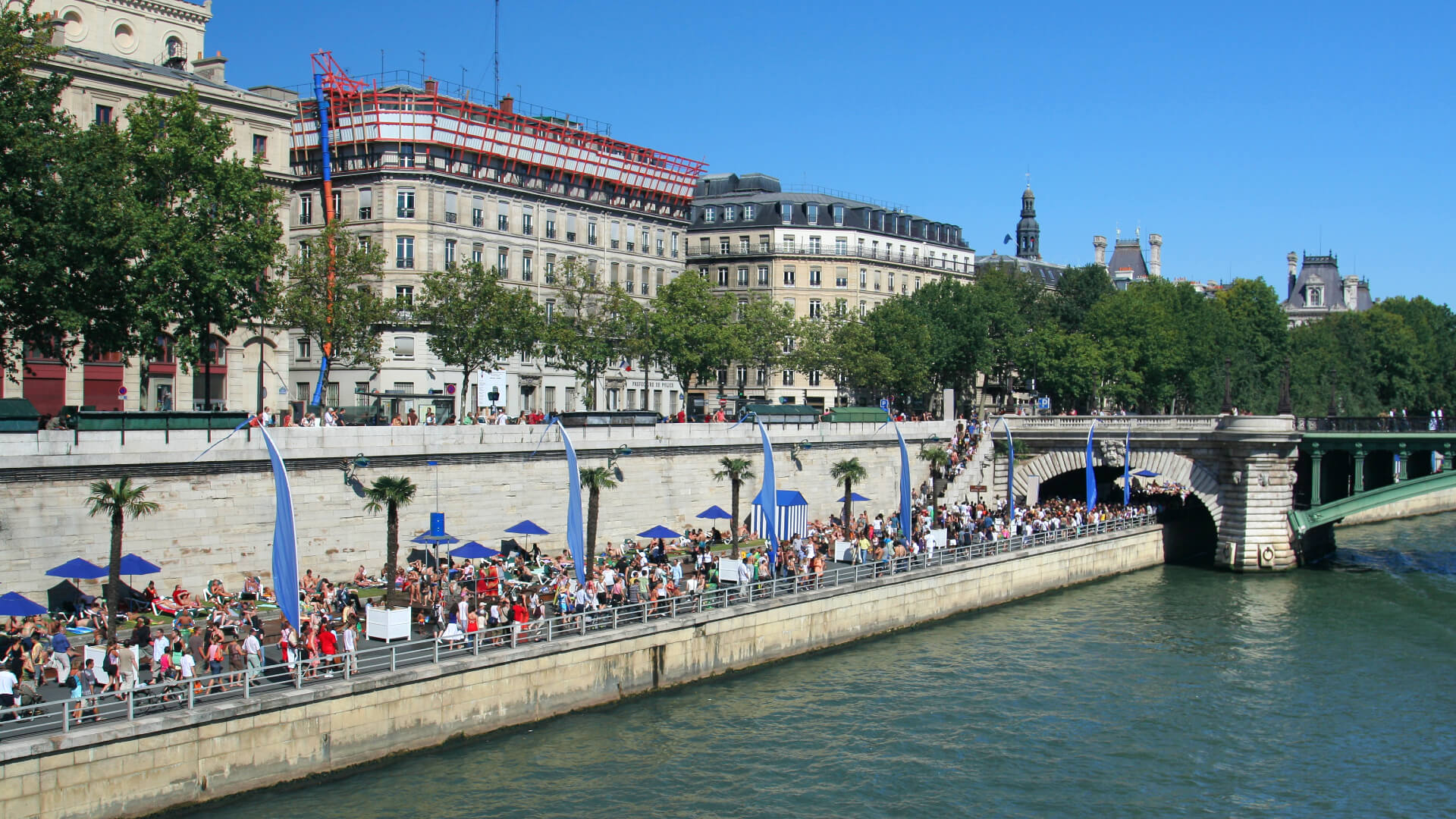
Image of City, Metropolis, Urban, Water, Waterfront, Person,

The summer season in Paris roughly corresponds with June through to the beginning of September. Typically described as the ideal time to visit Paris, the temperatures aren’t the only thing to soar.

As the official start of the high season, so do hotel and flight costs, which are some of the highest of the year. On the plus side, July beckons in T-shirt weather, albeit with an umbrella in hand – there’s a chance of a light shower even now.

This doesn’t stop hundreds of thousands of people pouring onto the Champs-Élysées for the Bastille Day celebrations on July 14, marked by a grand military parade, fly past and fireworks behind the Eiffel Tower.

From then on, Parisians tend to leave the city for their summer vacations on the French coast. But you don’t have to leave the city to enjoy the coastal feel, with beaches appearing on the quais (banks) of the River Seine, concerts filling the air with music and open-air movie screenings taking over parks late into the night – usually in their original language.

It means that by August a languid air takes over Paris, with no one wanting to do anything very fast – which is just fine for anyone looking to get in the holiday mood. It makes it a wonderful time to cruise along the Seine, people watch from a café terrace or picnic in any of the 150 main parks too.

Fall
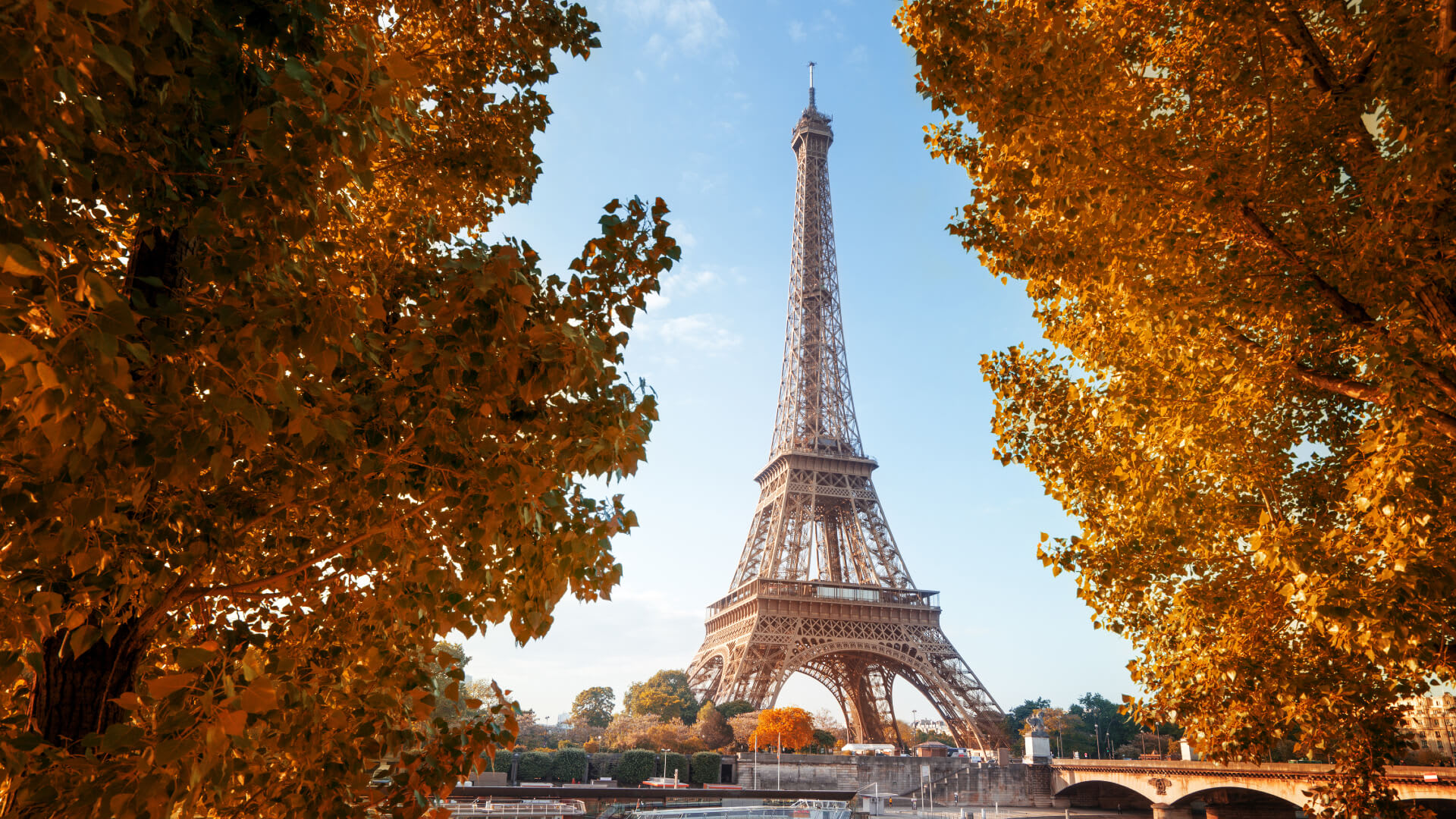
Image of

The start of fall sees temperatures drop away a little, and rain showers become heavier than they have been. But beyond that, fall really is a great time to consider visiting the French capital.

Why? Well, it’s still warm enough in September to continue exploring the city’s parks and gardens. They begin taking on fall colors as well as being the sites of two major September events – the city-wide Fête des Jardins (Garden Festival) and the historic Fête à Neuneu funfair in the Bois de Boulogne.

The fall color is usually at its best with the arrival of October. With hotel prices falling away again and visitor numbers dropping alongside the mercury – temperatures peak at 16°C – October is another month great for avoiding the crowds.

The change in seasons is even celebrated at the Fete d'Automne, whilst the Contemporary Art Fair arrives at the Grand Palais to add to the buffet of permanent art collections, from the Musée d’Orsay to the Orangerie Museum.

The start of the low season, November sees some of the lowest visitor numbers of the year, but it’s still not a bad time to visit Paris. Come prepared for the wintery weather, and the city’s charm and authentic feel is sure to keep you as warm as the hot chocolates and the winter restaurant menus.

To brighten the days there are several public holidays and festivals to look forward to – not least the start of the Christmas period.

Winter
default alt tag

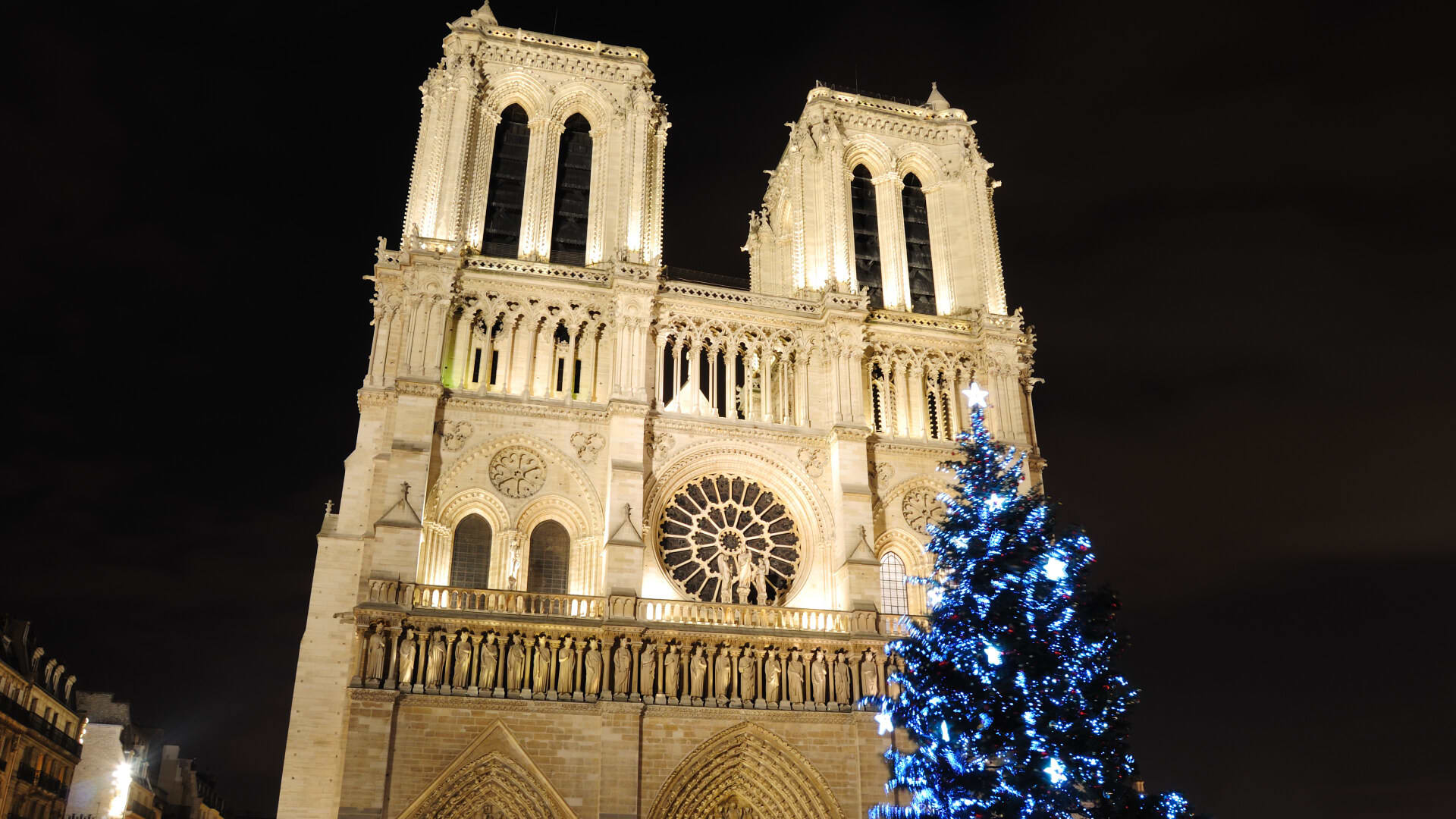
By the beginning of December Christmas is in full-swing. Main avenues shine with festive lights, Christmas markets hum with the sound of Parisians enjoying each other’s company and the arrival of several ice rinks makes for one of the more unusual things to do.

Believe it or not, few travelers get to see any of this exuberant feasting. It makes a Christmas in Paris all the more special.

Kicking off with a very literal New Year bang, January is one of the cheapest months to go to Paris, with some excellent deals on hotel stays. Set firmly within the low season, the city’s major attractions are less crowded than other times of year. However, with 30 million annual visitors, there’s no month that can be described as totally crowd-free.

Wrap up well – temperatures are stable at 2 – 7°C – and you can catch the Festival of Lights at the Jardin des Plantes and an armful of bargains in the winter sales.

Although February has similar temperatures and low season prices to January, it actually has the least rainfall of any month, making it one of the best times to visit Paris on a budget. That said, Valentine’s Day sees low season prices go out of the window for anywhere with a view of the Eiffel Tower.

Spring
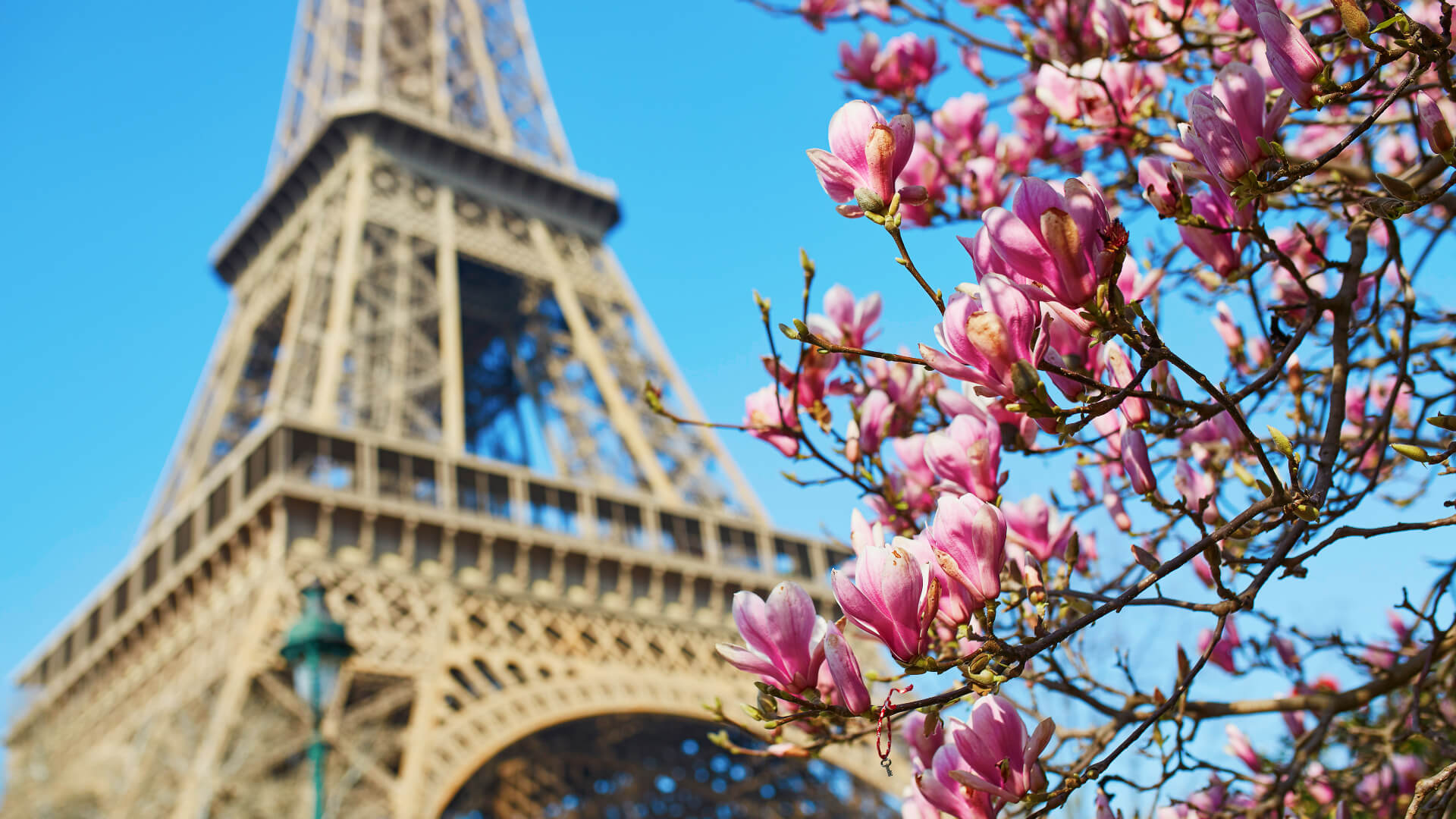
Image of Flower, Petal, Nature, Outdoors, Scenery,

Waving goodbye to winter, March sees a massive increase in the number of visitors, although accommodation prices remain good compared to the summer months.

Temperatures remain on the chilly side, with lows of 5°C and highs of around 12°C. Levels of rainfall are still very much on the low side too. Heralding the warmer months to come, it’s in March that the early spring bulbs begin to flower.

Whilst still in the shoulder period between low and high seasons, spring sees Parisians planning outdoor events with much more certainty than had been possible so far in the year. Step anywhere near the Bois de Vincennes on the eastern outskirts of the city and you’ll be enticed by the bright lights of the Foire de Trône funfair, which traces its history back to AD 957.

April usually also sees the Easter public holidays and the associated arrival of chocolate eggs in storefront windows. Meanwhile, May is another great month to visit Paris – and if the growing crowds in the Louvre are anything to go by, it’s not exactly a secret either.

One of the busiest months of the year when it comes to tourism levels, part of the reason is the ever-improving weather together with hotel prices still substantially below the high season peaks.

A further quirk of visiting Paris in May is the fact it’s technically the wettest month of the year, although there’s not a great deal of difference – just 22 mm or less than an inch – between May and February. No wonder then that May is chosen for the first rounds of the French Open, and not one, but two jazz festivals.

How to save whatever the season

Whenever you decide you should visit Paris you can save on attraction admission to many of the city’s top sights with Go City. Then check out @GoCity on Instagram and Facebook to share your vacation snaps with us!

Ian Packham
Go City Travel Expert

Continue reading

Paris
Blog

Neighborhoods in Paris

Paris is a dense patchwork of 20 distinct neighborhoods, or arrondissements, all within the périphérique (ring road). Each arrondissement has its own identity and dedicated postcode (75001 for the 1st arrondissement, 75002 for the 2nd, and so on), to make it easier to discover at a glance where the hotel, attraction or other address you’re looking for is located. Hop aboard for our whistle-stop tour of all 20... 1st Arrondissement Right in the heart of the action, the premier is home to a number of Paris’s big-ticket attractions, chief among these being the Louvre. Stroll through the delightful Jardin des Tuileries with its tree-lined avenues, riverside views and graceful Rodin statues, and drop by the Musée de l’Orangerie in its southwest corner to admire the fine collection of Impressionist art, including several of Monet’s famous Water Lilies murals. 2nd Arrondissement Treasure hunters rejoice! Here’s where you’ll find many of Paris’s historic covered passages, including Passages des Panoramas, the city’s oldest. Shop under beautiful glass canopies in these atmospheric 19th-century arcades, where you’ll discover all manner of antiques tucked away behind old-fashioned wooden storefronts, plus chic boutiques, cute cafés, well-stocked wine cellars and more. The sticky signature rum babas at Stohrer, Paris’s oldest pâtisserie, on the nearby Rue Montorgueil are also not to be missed. 3rd Arrondissement The Haut Marais district’s quaint cobbled streets are lined with independent boutiques and several top museums, including the Musée des Arts et Métiers and stunning Musée Picasso, where you can view over 700 paintings and surreal sculptures by the Cubist master, including his Self-Portrait and La Celestina. Pause at the gift shop before strolling to the Marché des Enfants Rouges for some of the best street food in town. 4th Arrondissement Overlooking Notre-Dame Cathedral from the Seine’s Right Bank, the Marais neighborhood’s maze of narrow streets is nothing short of enchanting. Take a picnic to the formal gardens in Place des Vosges and people-watch from beneath the linden trees, then wander the arcades that line this charming 16th-century square. Don’t miss the extraordinary modern art collection in the Centre Pompidou, or the equally exceptional ice cream at Berthillon on Île Saint-Louis, a tiny island in the middle of the Seine. 5th Arrondissement Within the winding lanes of the Latin Quarter on the Left Bank, you’ll find a dazzling array of late-night bars and restaurants, sultry jazz clubs and Art Deco cinemas. Pay your respects to Voltaire, Victor Hugo, Marie Curie and the dozens of other French luminaries who are interred or commemorated in the magnificent Panthéon, buy a book at the semi-legendary English-language bookstore Shakespeare and Company, and meet cute red pandas at the Ménagerie in the verdant Jardin des Plantes 6th Arrondissement Walk in the footsteps of the hundreds of artists and intellectuals who have called boho Saint-Germain-des-Prés home across the years, including Sartre, Picasso, Camus and Brecht. The 6th is also home to one of Paris’s finest parks: the Jardin du Luxembourg. Rent antique toy boats and sail them on the lake in front of the Palais de Luxembourg, smell the roses in the exquisite Italianate gardens or simply pull up a chair and watch the locals compete at the ancient game of pétanque. 7th Arrondissement Tick off some of the city’s biggest hitters in the 7th, where you can – deep breath – climb the Eiffel Tower (or picnic beneath it on the lawns of the Champ de Mars), view the biggest collection of Impressionist art on the planet at the Musée d’Orsay, stroll the Musée Rodin’s perfectly sculpted gardens and admire hundreds of years of indigineous art behind the foliage-covered facade of the Musée du Quai Branly. 8th Arrondissement Just across the Seine from the Eiffel Tower is a luxury shopper’s paradise. The Champs Élysees is home to the largest Louis Vuitton store in the world, plus branches of Cartier, Chanel, Dior and more. Treat yourself to a colorful box of macarons from pastry master Pierre Hermé or the opulent Ladurée store, then use the subsequent sugar rush to power you up the 284 steps to the Arc de Triomphe’s viewing platform. 9th Arrondissement Noted for its beautiful Haussmannian architecture, the lively 9th arrondissement continues the shopping theme with Galeries Lafayette – worth a visit for its incredible stained-glass cupola and terrace views alone. Check out Musée Grévin, a 150-year-old wax museum inside the historic Passage Jouffroy arcade and take in a show at the flamboyant Opéra Garnier, an absolute must-visit for Phantom of the Opera fans. 10th Arrondissement Stroll the scenic Canal Saint-Martin, with its picturesque Venetian bridges, tree-lined cobblestone walkways, shaded quays and colorful street art. The 10th is also home to the busy Gare du Nord and Gare de l'Ést train stations, gateways to the likes of Parc Astérix and the Palace of Versailles. 11th Arrondissement Place de la Bastille and its weekly markets make the largely residential 11th arrondissement worthy of your time. Head for the arts and crafts market on Saturdays, and visit the Marché Bastille on Thursdays and Sundays, where local producers showcase the finest foods the region has to offer. 12th Arrondissement Also mostly residential, the 12th is notable primarily for the magnificent Opéra Bastille, as well as its proximity to the expansive Bois de Vincennes. Paris’s biggest public park, it boasts a chateau, a boating lake, a forest, an arboretum and a zoo among other things. 13th Arrondissement Street art fans will find much to enjoy in the residential 13th arrondissement. Here, local artists use huge concrete high rises as their canvas, resulting in some spectacular and often huuuuge murals. 14th Arrondissement Twenty meters beneath the streets of the 14th, you can visit one of the city’s most macabre attractions. The Paris Catacombs contains a labyrinth of tunnels, with a bone-chilling ossuary that contains the mortal remains of some six million Parisians. A must-see, but most definitely not for the faint of heart. 15th Arrondissement At the westernmost point of the Left Bank, the 15th offers some of the Paris’s finest views. Board the Ballon de Paris Generali in Parc André Citroën to rise 150 meters above the city, or whiz up to the 56th floor of the Montparnasse Tower for uninterrupted views of its far more beautiful counterpart, the Eiffel Tower. 16th Arrondissement There are enough specialty museums here to while away a day or more, the Palais de Tokyo with its excellent avant-garde art collection and the anthropological Musée de l'Homme to name but two. The 16th also adjoins the massive Bois de Boulogne park, where you can go boating, stroll through the woods to the Parc de Bagatelle botanical garden, explore the grotto and much more. 17th Arrondissement Many consider this residential area to be the real Paris. Head to its charming Batignolles neighborhood for quirky bistros, boutiques and street markets, and pause to feed the ducks and play pétanque with the locals in leafy Batignolles Square. 18th Arrondissement Take the funicular up to the Sacré Cœur Basilica atop Montmartre and soak up the atmosphere in cobbled streets and squares that have inspired artists from Modigliani to Picasso. It’s here you’ll find the Moulin Rouge cabaret with its iconic neon-red windmill, and the Place du Tertre, where local portrait painters ply their trade. Get yours done, then grab an ice cream and take in one of the city’s best views from the basilica steps. 19th Arrondissement Green space abounds out in the 19th, where hilly Parc des Buttes-Chaumont offers some of Paris’s best views, as well as an Eiffel-designed suspension bridge, secret grotto and artificial waterfall. Nearby Parc de la Villette is a cultural mecca, home to the biggest science museum in Europe, an IMAX cinema, plus several music venues and theaters. Visit in summer for its open-air cinema and the temporary artificial beach at nearby Bassin de la Villette. 20th Arrondissement Last but by no means least, the 20th arrondissement boasts cool street art, independent boutiques and the second-biggest Chinatown in Paris. It’s also here that you’ll find the vast Père Lachaise Cemetery. You could spend many hours wandering the cemetery’s wide avenues and visiting the ornate tombs and monuments where great artistic figures including Oscar Wilde, Jim Morrison, Sarah Bernhardt, Chopin and Édith Piaf are interred. Save on things to do in Paris Save on admission to Paris attractions with Go City. Check out @GoCity on Instagram and Facebook for the latest top tips and attraction info.
Stuart Bak
Stuart Bak

Have a 5% discount, on us!

Sign up to our newsletter and receive exclusive discounts, trip inspiration and attraction updates straight to your inbox.