
10 historical places in Singapore

National Museum of Singapore

Hey there, history buffs! If you haven’t been to Singapore, now is the perfect time to consider a trip to this unique and elegant city. It’s clean, bright and modern, with reminders of its past everywhere and grand architecture dating to the European settlement in the early 19th century. Since then, the Lion City has become home to many major religions, as well a hub of world events from the Chinese Revolution to occupations to several important military campaigns. Singapore is fairly compact, and much of it can be seen in a single visit. To get a good overall picture of the history of this intriguing city state, take in:

  • The Sun Yat-Sen Memorial Hall
  • Raffles Hotel
  • Tea Chapter
  • Chinatown
  • Old Parliament House
  • The Civilian War Memorial
  • Kranji War Memorial and Military Cemetery
  • The Battle Box
  • Fort Siloso
  • Museums

1. Sun Yat-Sen Nanyang Memorial Hall

Image of House, Housing, Villa, Grass, Hotel, Resort, Person, Tree, Car,

Sun Yat-Sen was a Chinese revolutionary who led the resistance against the Qing dynasty in the late nineteenth and early twentieth centuries. He would go on to become the first president of the People’s Republic and became known as the Father of the Nation. Yat-Sen used this colonial-style villa as a base for many of the rebellion’s activities, and it’s now been refurbished as a museum featuring artifacts and stories from the revolution and the mastermind behind it.

2. Raffles Hotel
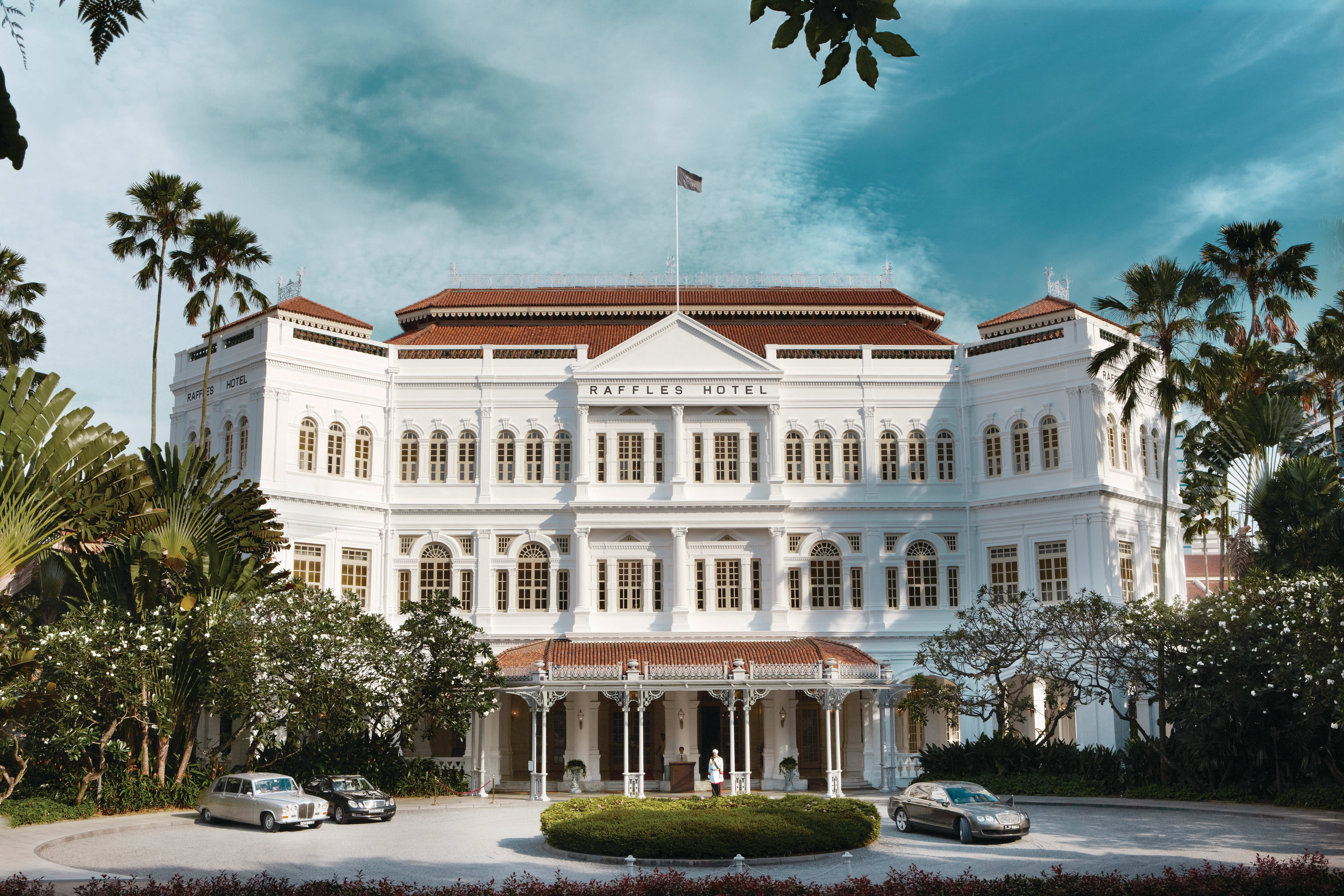
Image of Car, Vehicle, Housing, House, Villa, Person, City,

Possibly the most famous building in Singapore – from the Colonial era at least – Raffles Hotel is a must for any visitor to this city and is on the yellow line of the Big Bus Tour. This immense neo-renaissance-style villa, which started as a quaint beach hotel set amidst tropical palms, was converted into a luxury hotel in 1887 and named after the city’s founder, Sir Stamford Raffles. Stroll the long corridors, following in the footsteps of famous guests like Sir Rudyard Kipling, Charlie Chaplin and Queen Elizabeth II, and try a cocktail in the famous Long Bar - birthplace of the Singapore Sling.

3. Chinese tea drinking at Tea Chapter
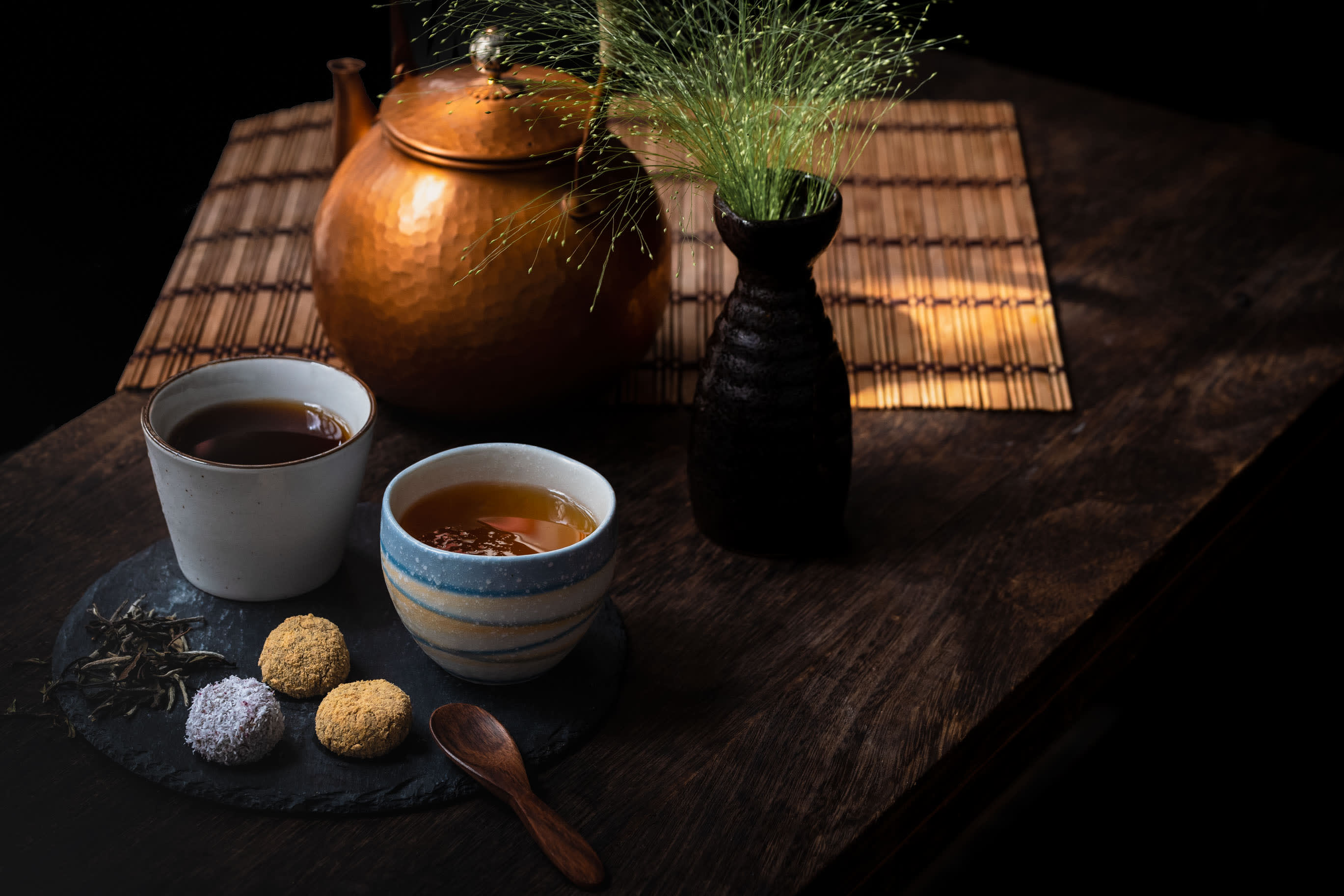
Image of Pottery, Cup, Cookware, Pot, Cutlery, Spoon, Furniture, Table, Tabletop, Food, Food Presentation, Dining Table, Plant,

Tea drinking has been an important ritual in Chinese culture for at least 2,000 years, and possibly more. What better way to experience it than in the oldest tea house in Singapore? Escape from the bustle of Chinatown and enjoy a moment of calm as you kick off your shoes (literally) and enter the tranquil space of the tea room. Relax in zen-like surroundings, sip on a cup of Tea Chapter’s signature Imperial Golden Cassia tea, and know that you’re helping to keep an ancient tradition alive.

4. Chinatown
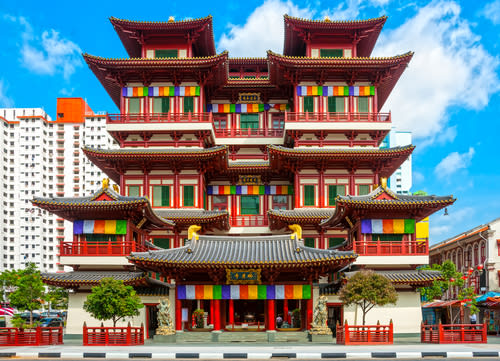
Image of Temple, Pagoda, Prayer, Shrine, City,

In 1843 Sir Stamford Raffles officially allocated the area west of the Singapore River as the Chinese Campong. It’s now the largest historic district in the city and is a hub for many major religions – keep an eye out for the city’s oldest Hindu temple, Sri Mariamman, the oldest Hokkien temple, Thian Hock Keng, the Masjid Jamae Mosque and the aptly named Buddha Tooth Relic Temple and Museum. Spend a few hours wandering the district and soaking it all up (it’s on the Red Line of the Big Bus Tour), but if you need a little guidance, or want to dive a little deeper into the history of the area, try a guided bike tour or even an open world outdoor escape room.

5. Old Parliament House
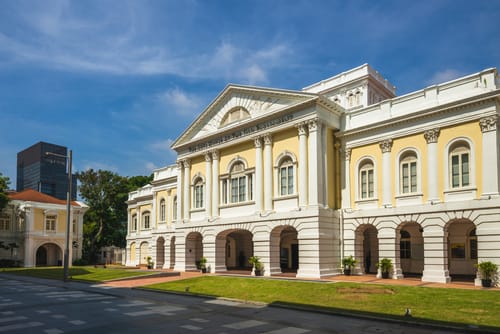
Image of Grass, Plant, Housing, City, House,

Explore the history of Singapore’s government and legal system at the oldest building in the city. Originally built as a residence in 1827, it became a courthouse soon afterwards and remained so until 1865, even after being purchased by the East India Company in 1841. Throughout the twentieth century it served as the Supreme Court, the Legislative Assembly House and then Parliament House, until the new parliament building was opened in 1999. It’s now an arts center, and visitors are welcome to stroll the old corridors where permanent exhibitions detail the story of the building and the lives of famous Singaporeans throughout history.

6. Civilian War Memorial
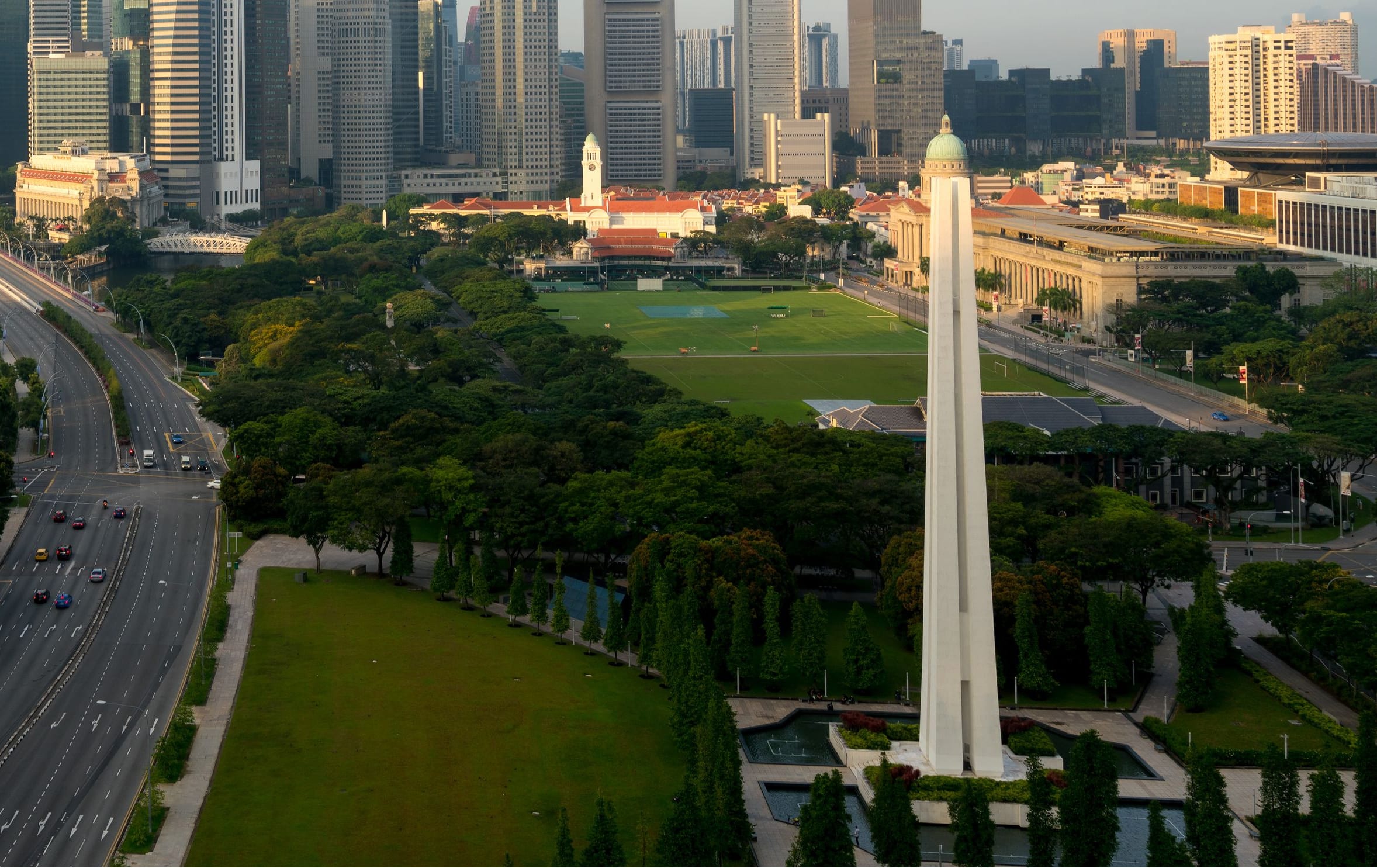
Image of City, Cityscape, Urban, Metropolis, Road,

The former burial chambers of victims of the Japanese occupation of Singapore in World War Two now form part of the foundations of the Civilian War Memorial, standing tall in War Memorial Park. It was opened on February 15th, 1967, 25 years after the fall of the city, and a memorial service is held here every year on that date. The monument is made up of four pillars (affectionately called ‘The Chopsticks’ by locals) representing the Chinese, Malayan, Indian and Eurasian populations of the city. Nearby is the Indian National Army Monument, which stands on the site of an earlier memorial to an unknown Indian soldier.

7. Kranji War Memorial and Military Cemetery
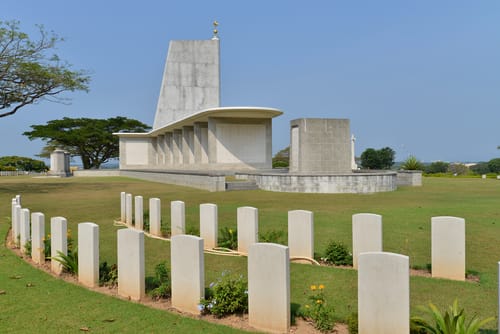
Image of Graveyard, Outdoors,

A poignant and eerie place, the Kranji War Memorial is a stark and upright monument honoring lives lost in the two world wars. Originally a military camp, the Kranji area was used as a prison by the occupying Japanese forces, and it was the inmates who first established a small cemetery here for their deceased compatriots. The memorial is now the final resting place of more than 4,000 commonwealth and Chinese soldiers and is the site of a significant remembrance ceremony on November 11 every year.

8. The Battle Box
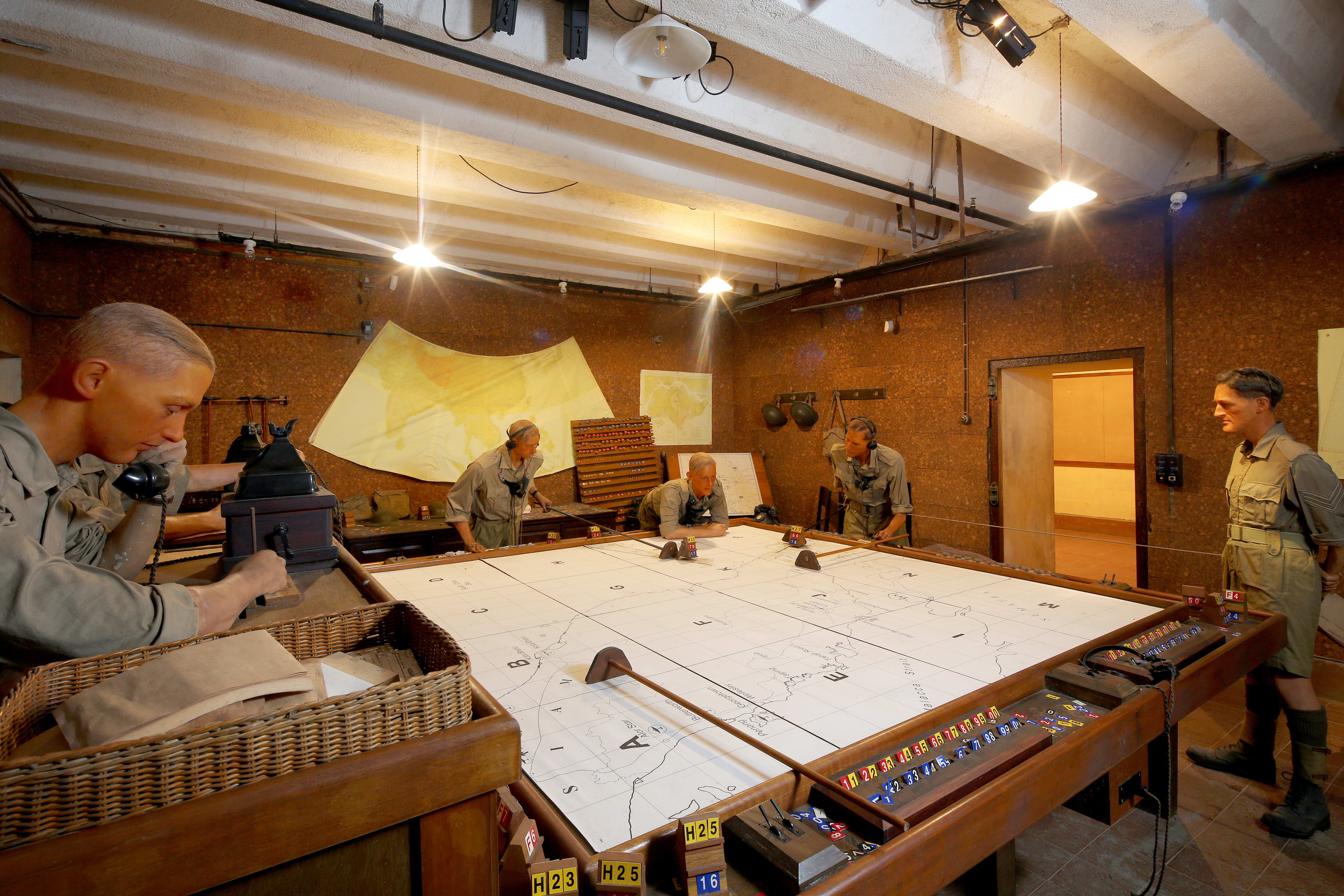
Image of Plywood, Wood, Adult, Male, Man, Person, Boy, Child, Lighting, Furniture, Table, Indoors,

True to its name, the Battle Box is a small underground bunker which was used as a bomb shelter during World War Two. Visitors can explore 26 rooms below Fort Canning Hill, reconstructed with wax statues, moving figures and historical artifacts. Learn how Lieutenant-General Percival and his senior officers directed the Battle of Singapore, watch battle campaigns unfold on land, sea and air and get lost in the labyrinth of rooms and corridors. Your ticket includes a 30-minute guided tour, but after that you’re free to wander and explore on your own.

9. Fort Siloso
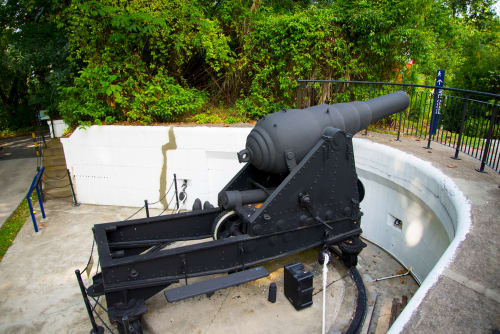
Image of Weapon, Cannon,

Another World War Two site, though this one has history dating back to the nineteenth century when it was one of three forts built to defend the city from potential sea invasion. Sitting at the north-west corner of the island of Sentosa, Fort Silosa was brought back into service in the twentieth century and now houses a military museum, underground tunnels and interactive video displays. Get there via a pretty coastal walk or ride the gondola from Faber Peak.

10. The Museum District
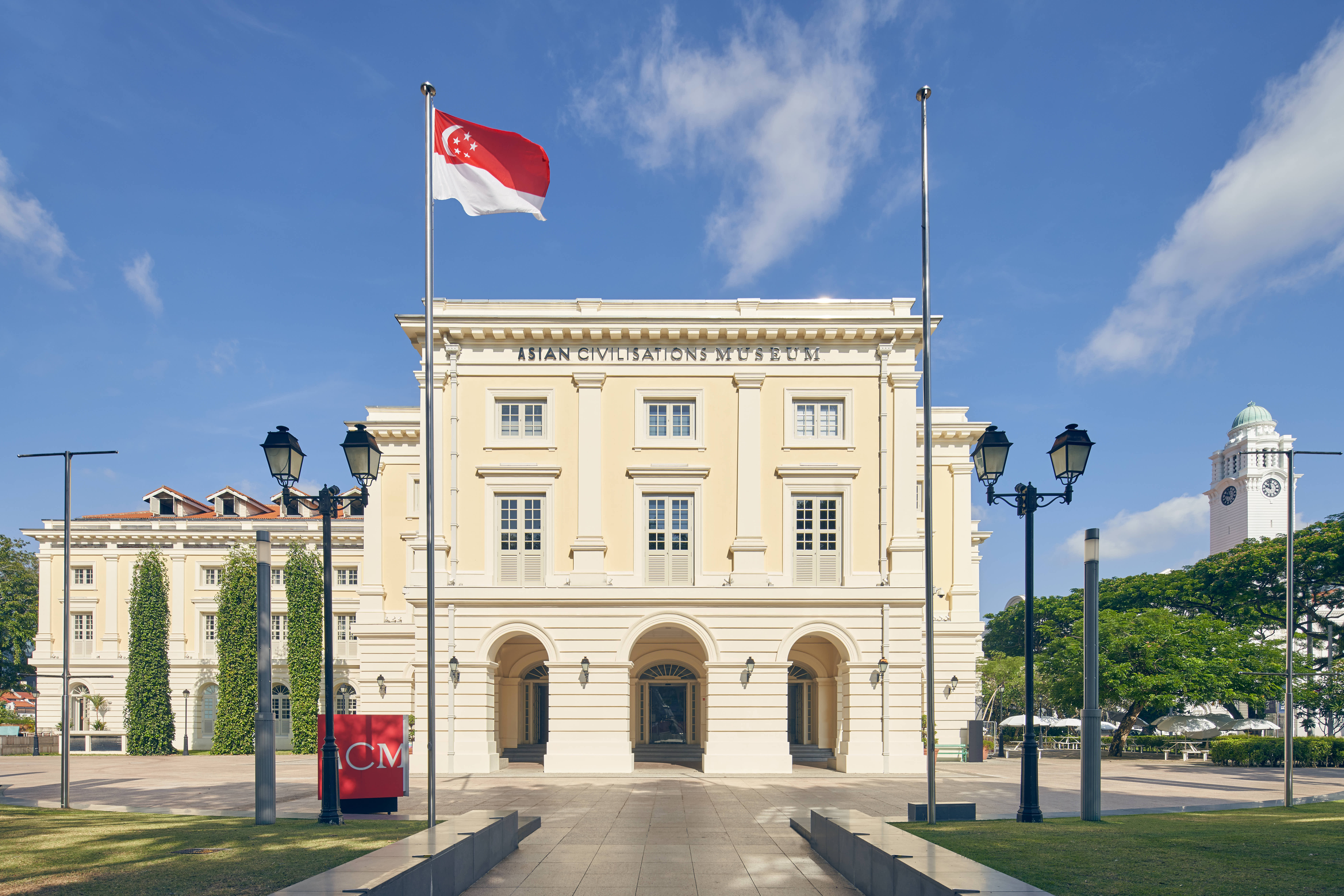
Image of

Okay, so not strictly a historical site in itself, but Singapore’s museums together offer an interesting and comprehensive guide to the history of the area, pre- and post-colonialization. The National Museum of Singapore, dating to 1887, captures the history of the city through its cultures, traditions and stories. The Indian Heritage Center reaches a little further, exploring the history of India and southern Asia, while the Asian Civilizations Museum takes a religious perspective, covering Hindu, Buddhist, Muslim, Christian and Jain heritage in the city.

Be a history buff with Go City

Singapore has a rich heritage of cultural, military and religious history. See it all and save money with a Go City Explorer or All-Inclusive Pass today!

Karleen Stevens
Go City Travel Expert

Continue reading

Panorama of the Singapore skyline as sun rises with green space, the river and Marina Bay Sands
Blog

The best Singapore autumn events

Wedged between the high jinks of summer and the sheer exuberance of the Christmas period, the autumn can get forgotten about. However, the months of September, October and November in Singapore have some incredible things going on. What Singapore autumn events can you expect to see? How about the heady mix of grand prix celebrations, Deepavali (Diwali) and Halloween? And that’s just for starters! Stick with us as we explore all the autumn events you can experience in Singapore. The Singapore Grand Prix Always one of the most anticipated races of the year, Formula One’s Singapore Grand Prix gets gear heads from across the world into a frenzy of motor racing eagerness. Witnessed by around a quarter of a million people trackside, the race is one of the biggest events in Singapore’s autumn calendar. The first night race to make the Formula One season, and one of just a couple of street circuits, it sees the world’s foremost racing drivers battle it out on the same roads that usually see peak time traffic jams. The race may only be for professional drivers, but you can get a sense of what’s required by checking out Let’s Go Bike’s Marina Bay Night Bicycle Tour. But beyond the three days of racing, totaling some 12 hours of action, the Singapore Grand Prix gets its own season. Lasting ten days, it offers up entertainment even to those who haven’t yet caught the racing bug. That’s due to around 90 shows by some of the top names in entertainment. Previous editions have seen the Black Eyed Peas, Westlife and TLC rock the main stage. Singapore’s unmissable autumn cultural festivals What the Singapore Grand Prix is to motor racing, the Mid Autumn Festival is to cultural events in the country. A key celebration for Singaporeans with Chinese heritage, the festival is celebrated across much of Asia. Marking the end of the traditional harvest period, look out for streets strewn with paper lanterns and stalls selling mooncakes. Specific to the celebrations, authentic versions of these delectable pastries are made with a red bean or lotus seed paste filling. However, you can now find everything from chocolate to champagne fillings when in Chinatown. Whilst there, don’t miss the chance to join a tea appreciation experience in a charming tea house. A Hindu festival celebrating the victory of light over darkness, Deepavali is another fantastic Singapore autumn event. Head to Little India to soak up the color, sights and sounds, which include full-sized model elephants and peacocks (symbolizing abundance and wisdom). You’ve also got the chance to catch displays of traditional dancing and the attractive streetside light displays. They begin appearing several weeks before the big day itself at the end of October. This gives visitors plenty of time to shop for flower garlands, admire the glitter of gold at jewelers and drink a mug of teh tarik (pulled milk tea) whilst awaiting a spot at a henna tattooist’s! Things to do in Singapore in October For many, October is unapologetically the month of Halloween. But before this ghoulish festival comes around, Singapore sees the arrival of Oktoberfest. It doesn’t have a grand history in the country like Singapore Mid Autumn Festival or Deepavali. But we can’t think of much better than sipping a cool lager after a busy day of sightseeing. Bars and restaurants participating in the revelry aren’t hard to find. When still in the mood, why not take a tour of the Tiger Brewery and discover what made this local brew a bestseller the world over. Halloween lovers will be dying to explore Singapore towards the end of October. Head over to the pleasure island of Sentosa, off Singapore’s southernmost point, for Universal Studios Singapore’s annual Halloween Horror Nights. As well as haunted houses, expect themed laser tag games, a nightmare of ghostly goings on and plenty of additional surprises. Elsewhere, the luxury tall ship the Royal Albatross turns ghost ship for a seaborn five-course monster-themed dinner, fancy dress competition and special access tours. If its desserts that really interest you, turn your attention instead to the Museum of Ice Cream. Temporarily renaming itself the Museum of I Scream, you can get your fill of fab flavors alongside a myriad of ghoulish festivities. Singapore autumn events in November Starting in October but continuing into November, the Japanese Film Festival (JFF) brings the world of anime and Japanese thrillers to Singaporean screens. Launched way back in 1983, the JFF is one of Singapore’s longest running film events. Its curated selection of movies is designed with a blend of classic and contemporary screenings, meaning there’s almost certainly something for everyone. That said, Francophiles might instead prefer November’s Violah France Singapore Festival. Organized with Gallic flare by Singapore’s French embassy, almost every day of the month has at least one event taking place, from exhibitions and concerts to food markets and sporting feats. Art lovers can also celebrate with the Singapore Biennale, taking place each autumn and winter every second year. Created as an outlet for the country’s contemporary art scene, it features around 50 artists from countries as diverse as Iraq and Indonesia. Their work is displayed at the Singapore Art Museum. What to pack for autumn in Singapore Autumn in Singapore is still warm, with lows averaging 25°C and highs of around 32°C. Humidity levels are also quite high, meaning the bulk of your packing list should consist of summer friendly items such as loose-fitting trousers and tops. At the same time, October and November in particular see heavy showers roll across the island in the afternoons or early evenings. Make sure you’ve got an umbrella to hand (raincoats are simply too hot to bother with) and plan to spend these hours at one of Singapore’s indoor attractions. Singapore’s autumn events and top attractions await! Singapore is packed to bursting with autumn events and has a long list of major attractions. You can keep your vacation budget under control by traveling with Go City. Our All-Inclusive and Explorer passes give holders reduced admission to attractions across the island, from museum entry to the top tours.
Alex Birungi
Singapore skyline with a pink and yellow sky
Blog

Things to do in Singapore in September

While much of the world is winding down after the August hijinks, Singapore in September is anything but ordinary. Not only is the weather playing ball, but a whole series of events ensure Singapore claims the limelight. Intrigued? Here’s all you need to know about the top things to do in Singapore in September! Grab a set of wheels Mid-September’s Singapore Grand Prix is certainly a night to remember. One of the biggest days of the Formula One calendar, it became the first night circuit when inaugurated in 1966. Two generations on, it’s lost none of its sparkle. For one thing, this street circuit comes with an extraordinary backdrop of Marina Bay. For another, the surrounding event has previously included performances by huge international acts including Black Eyed Peas, Green Day, and Westlife. Put simply, this is no ordinary motor race! However, if petrol engines aren’t your thing, September in Singapore promises a whole lot more besides. For instance, you can let the rubber hit the roads of Marina Bay on a Night Bicycle Tour. Highlights include Supertree Grove at Gardens by the Bay, alongside many of the city’s most iconic buildings. The route is designed to delve into Singapore’s full 200-year history, from colonial-era buildings to the calm waters of the Kallang River. Celebrate Singapore’s diversity Singapore’s September weather doesn’t really hint at anything except tropical splendor. Temperatures average 31.6°C, while humidity levels remain at a steamy 82%, equivalent to annual averages. When it comes to Singapore’s September rain, the equally good news is that the month is one of the driest of the year. Heavy thundery showers are to be expected. Few will affect your plans in any significant way. This is great news, since the end of the month is marked by one of the biggest cultural celebrations of the year – the mid-Autumn festival. As popular as Lunar New Year, the festival is a key date in the calendar for Singapore’s Chinese descendants. Chinatown is the obvious place to head, with celebrations hitting full swing after dark. Then, decorative paper lanterns line streets and public spaces, providing ample lighting to get your pick of the party food. Also known as the Mooncake Festival, it doesn’t take a genius to realize mooncakes are a big drawer. These pastries are traditionally filled with sesame seed paste, although chocolate and even champagne versions can also be sought out. Get a taste for the good life The Raffles Hotel Long Bar has been an unmissable part of any visit to Singapore since the early 1900s. Combining a sense of history with majestic surrounds, there’s nothing quite like sipping a Singapore Sling cocktail in this hallowed space. So grab your glad rags, the clink of ice on cocktail shakers awaits... Alternatively, make the secular pilgrimage to the city’s Tiger beer brewery, where no dressing up is necessary. Tiger Brewery Tours offer a behind the scenes look at how the beer is made. Then discover for yourself just how refreshing a glass can be with a complementary drink at the bar. Those sworn off alcohol don’t have to miss out, thanks to this Authentic Tea Appreciation Experience. Relax in Singapore’s oldest teahouse as your senses are serenaded with magical blends sipped by kings, queens, and presidents. Check out Singapore’s epic museums Visit Singapore in September and you shouldn’t forget about the city’s fantastic array of museums. The National Museum of Singapore is the place to head for a dose of history. Its galleries do a great job of detailing the development of Singapore from its origins to the present day. Meanwhile, The Battlebox in Fort Canning Park underlines the role of Singapore during the Second World War. An underground bunker with a difference, it was here that the defense of Singapore was planned by British military leaders. Their failure led to three years of Japanese occupation – a period of huge hardship. The displays at Changi Chapel and Museum, the site of a civilian prison camp, testify to the harsh conditions. The ArtScience Museum is altogether different. Located within the lotus flower-like structure of Marina Bay Sands, its ever-changing displays blend between art, science, technology, and culture. Dedicated solely to temporary exhibitions, there’s always another reason to enter its 21 galleries. As a guide, previous shows have spanned Harry Potter, Lego, Andy Warhol, and the photography of Annie Leibovitz. Enjoy the garden city’s green spaces Singapore isn’t called the garden city for nothing. Despite its population density, it has an array of green spaces you miss at your peril when visiting Singapore in September. The earliest dedicated public green space has to be Singapore Botanic Gardens, which trace their origins back to 1859. That’s just 43 years after the modern city was founded by Stamford Raffles. The only tropical garden declared a UNESCO World Heritage Site, the gardens span 82 hectares. Within this area you’ll find Symphony Lake, the National Orchid Garden’s 2,300 plants, and a small area of tropical rainforest. Singapore’s largest stretch of surviving rainforest is located within Bukit Timah Nature Reserve. Various short walks guide visitors around the summit of the hill, while mountain biking and rock climbing are additional options. Elsewhere in Singapore, MacRitchie Reservoir in the center of the island is perfect for a tranquil afternoon stroll. It’s also one of the only places outside of Singapore Zoo to see monkeys occupying the trees. You won’t need binoculars though, thanks to the 250-meter-long Treetop Walk. Visit Singapore in September with Go City September is widely considered one of the best months to visit Singapore. The city’s weather makes exploration really easy, while a string of September Singapore events only add to the atmosphere. If there’s a way of making your trip to Singapore in September even better, it’s with Go City. Grab one of our passes for savings on entry to many of Singapore’s top attractions. Don’t believe us? Take a look at all the fun people are having with Go City on our Facebook and Instagram pages.
Alex Birungi

Have a 5% discount, on us!

Sign up to our newsletter and receive exclusive discounts, trip inspiration and attraction updates straight to your inbox.